The production and inspection of high-pressure rubber hoses follow a strict technical standard system. Understanding the applicable scope and technical requirements of different standards helps in quality judgment and compliant procurement. This article outlines the main implementation standards and certification requirements for high-pressure rubber hoses.
I. Domestic Standard System
The national standard for steel wire braided hydraulic hoses is GB/T 3683-2011, corresponding to ISO 1436. The national standard for steel wire spiral hydraulic hoses is GB/T 10544-2003, corresponding to ISO 3862. Mining hoses follow MT/T 98 and MT/T 191 standards, with specific requirements for flame retardant and antistatic properties.
Large marine oil hoses are designed and manufactured according to ISO 1436 standards. Their technical performance indicators include hose designation, inner diameter, outer diameter, spiral layer outer diameter, working pressure, minimum burst pressure, minimum bending radius, and unit weight.
II. International Standard System
The standards frequently used in domestic and international trade of high-pressure rubber hoses include DIN, SAE, ISO, and GB/T standards. International standards for steel wire braided hydraulic hoses include DIN EN 853, SAE J517, and ISO 1436; international standards for steel wire spiral wound hydraulic hoses include DIN EN 856, SAE J517, and ISO 3862.
Different standards may have slight differences in pressure ratings for the same product specification. When selecting a hose, the standard specified by the equipment manufacturer should be confirmed. Exported products must comply with the prevailing standards of the target market.
III. Quality Certification and Compliance Documents
Regular products should have complete technical documentation and test reports, including factory pressure test records, material certificates, and application standard markings. For special applications (such as mining), a Coal Mine Safety (MA) certification is required. The product hose body should clearly display the model number, pressure rating, application standard, and production batch number.
IV. The Guiding Significance of Standards in Selection
Clearly defining the application standard is the fundamental basis for judging product quality. It is recommended to request third-party testing reports from suppliers during procurement to confirm that the product meets the standard requirements for key indicators such as burst pressure, pulse life, and oil resistance.
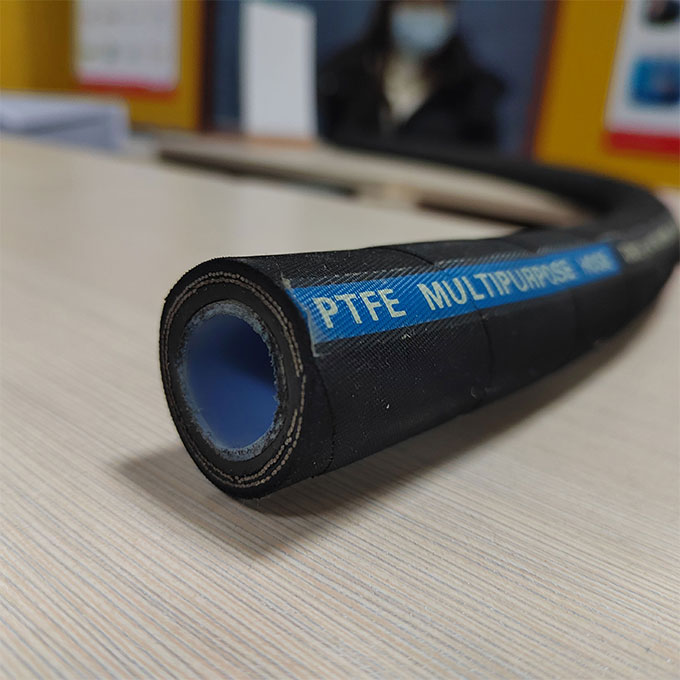
High-pressure rubber hoses are used in engineering machinery, mining equipment, and oil drilling to transport high-pressure media. Their internal structure is f
More →
Selecting a high-pressure rubber hose is not just about "looking at the diameter and comparing prices." For the same diameter, hoses with different pressure rat
More →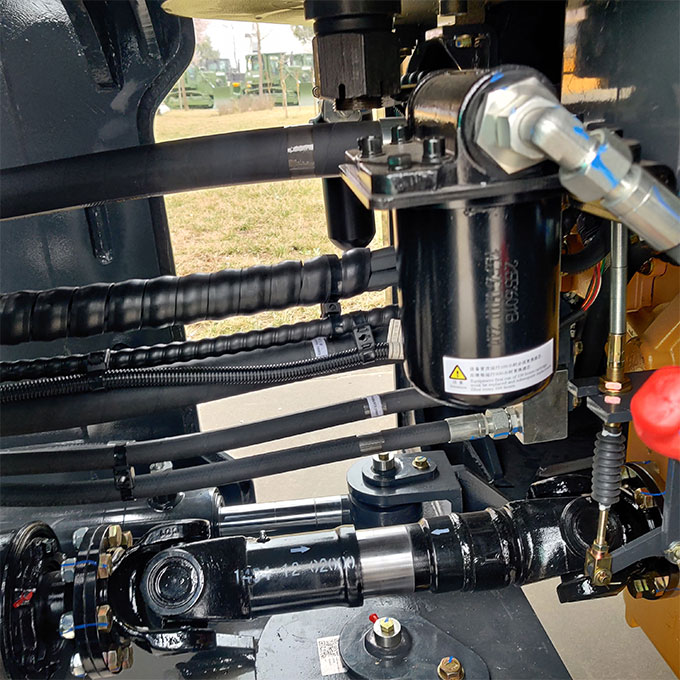
Even the best high-pressure rubber hoses can have significantly reduced lifespans without proper inspection and management. Statistics show that a considerable
More →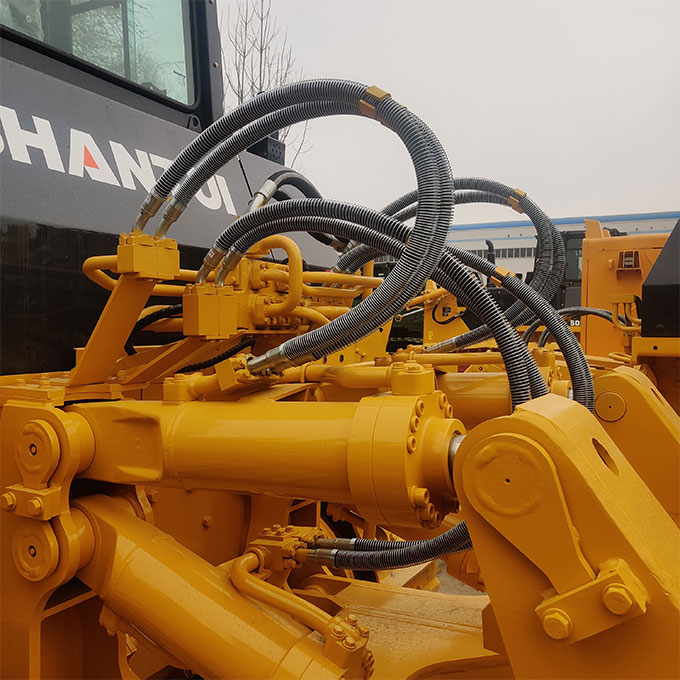
The installation quality of high-pressure rubber hose assemblies directly affects their service life. Even with the right hose, incorrect installation can ruin
More →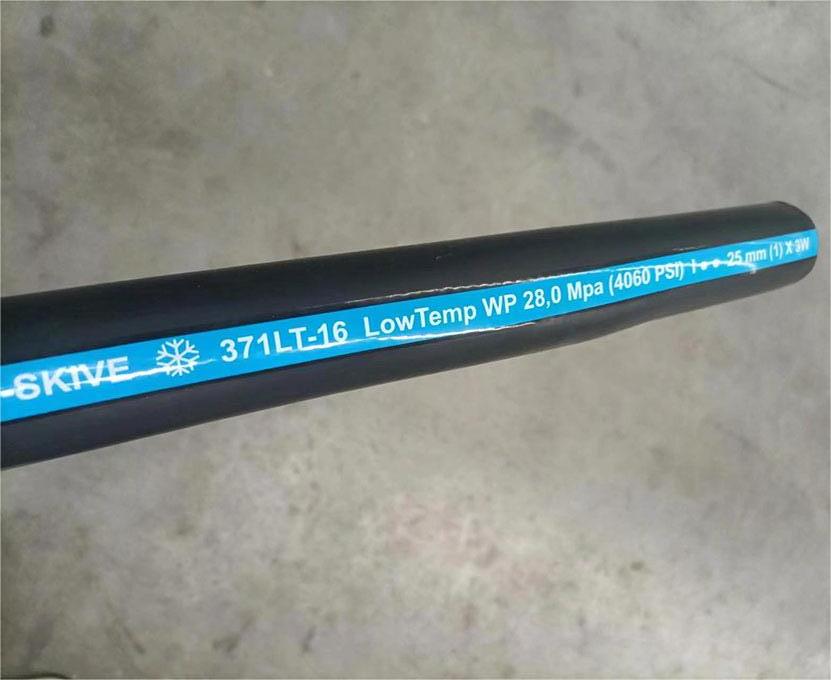
The failure modes of high-pressure rubber hoses under extreme working conditions are diverse, but in the final analysis they can be classified into several cate
More →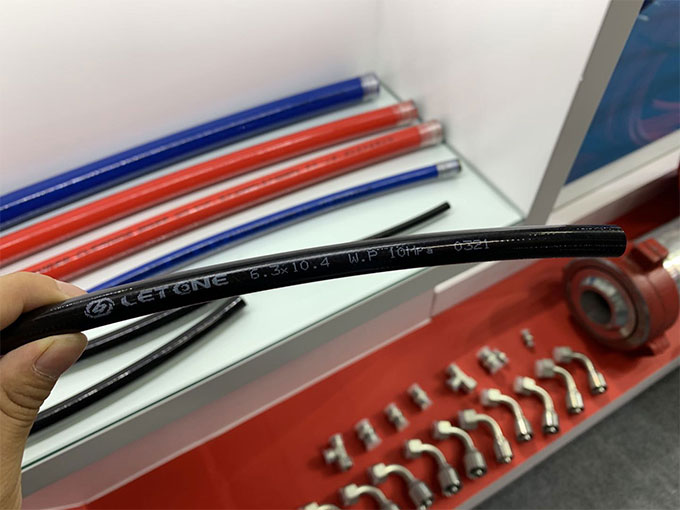
There's an easily overlooked rule in selecting high-pressure rubber hoses: the larger the diameter, the lower the pressure-bearing capacity. Hoses of the sa
More →
A significant portion of high-pressure rubber hose assembly failures originate not in the hose itself, but at the connector joints. Incorrect connector selectio
More →
High-pressure rubber hoses transport various media, including hydraulic oil, water, air, and emulsions. Different media have completely different requirements f
More →
High-pressure rubber hoses withstand pressures of tens of megapascals; failure can lead to serious safety accidents. Establishing safe usage guidelines and emer
More →
The production and inspection of high-pressure rubber hoses follow a strict technical standard system. Understanding the applicable scope and technical requirem
More →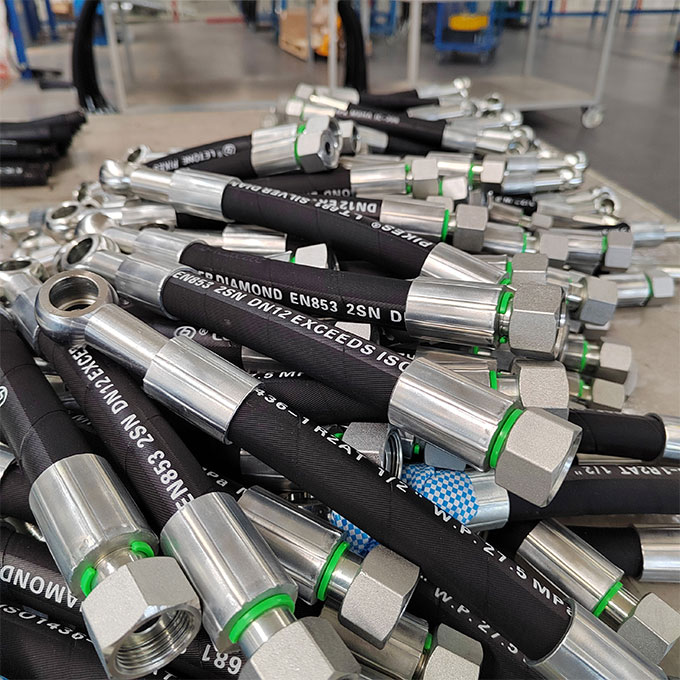
Steel wire rubber hoses are consumables. Even if they appear intact, the rubber material will gradually age over time and under certain usage conditions, result
More →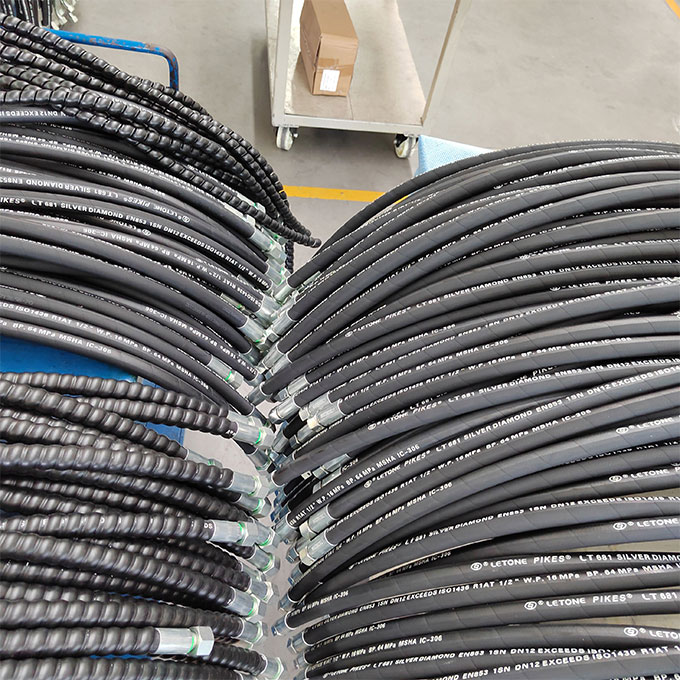
Wear-resistant rubber-steel wire industrial hoses offer unique application value in high-wear, high-pressure conveying scenarios. I. Wear Resistance Advantages
More →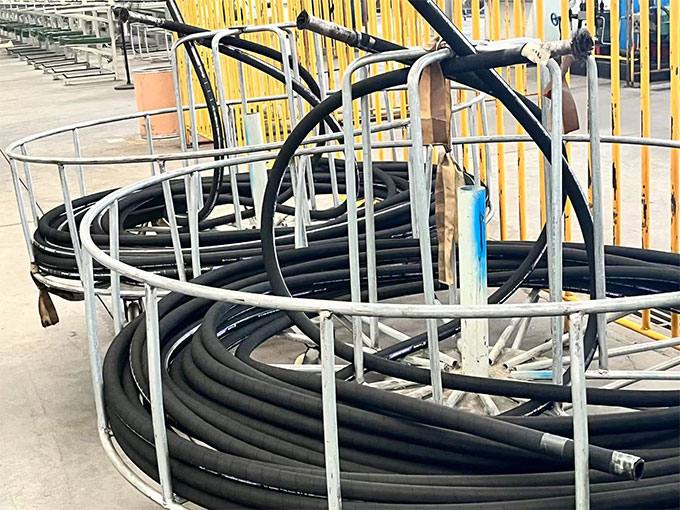
The installation quality of steel wire rubber hoses directly affects their service life and safety performance. Improper installation is a major cause of premat
More →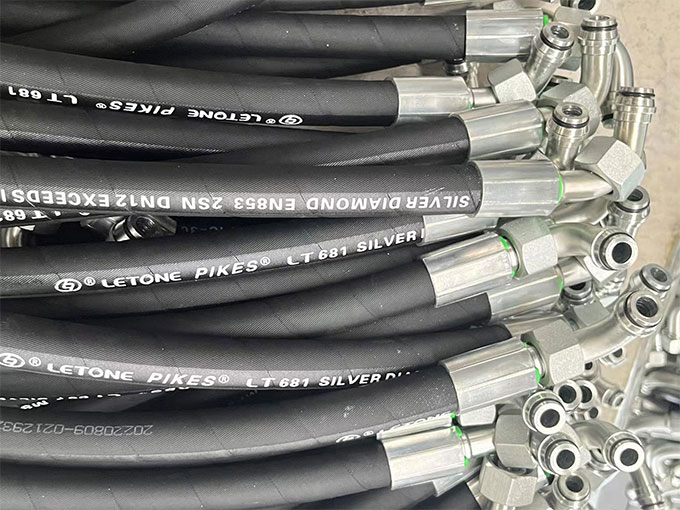
Steel wire rubber hose technology is developing towards higher pressure, longer lifespan, and greater intelligence. I. Technological Development Trends The s
More →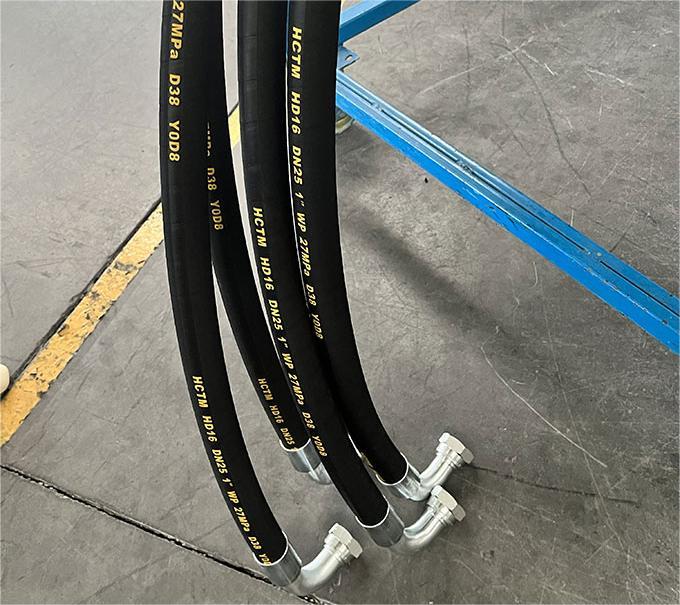
The selection of steel wire rubber hoses involves multiple technical parameters. This article compiles selection reference data according to structural type.
More →
The production and quality inspection of steel wire rubber hoses follow a strict technical standard system. Understanding the applicable scope and technical req
More →
Construction machinery is the field with the most widespread application and most complex operating conditions for steel wire braided hoses. From the boom cylin
More →
Steel wire rubber pipes are used under high-pressure conditions. Improper operation or improper maintenance may cause bursts, leaks and even safety accidents. A
More →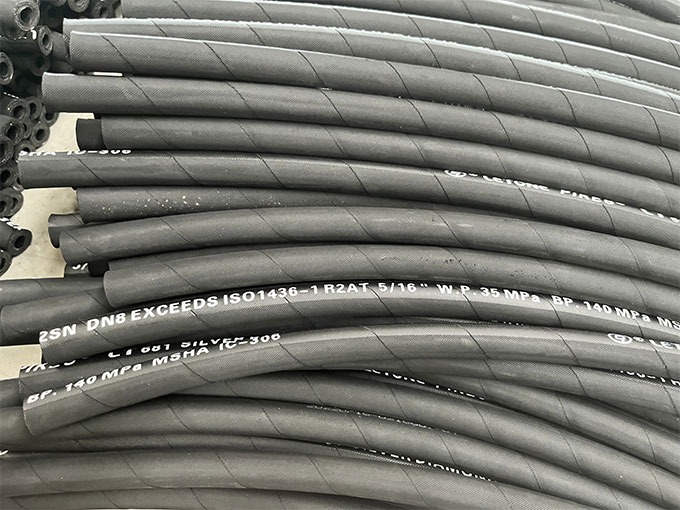
Steel wire rubber hoses are key components in industrial hydraulic systems and fluid transportation. Their core characteristic lies in the use of braided or wou
More →
The new energy heavy truck market in 2026 is undergoing a qualitative change from "can it be used" to "is it easy to use". The blockbuster policies of 11 min
More →
International Construction magazine, a subsidiary of the British KHL Group, a construction machinery information provider, released the 2026 Yellow Table &mdash
More →
Recently, the State Council issued the "15th Five-Year Plan for Accelerating the Modernization of Agriculture and Rural Areas" (hereinafter referred to as the "
More →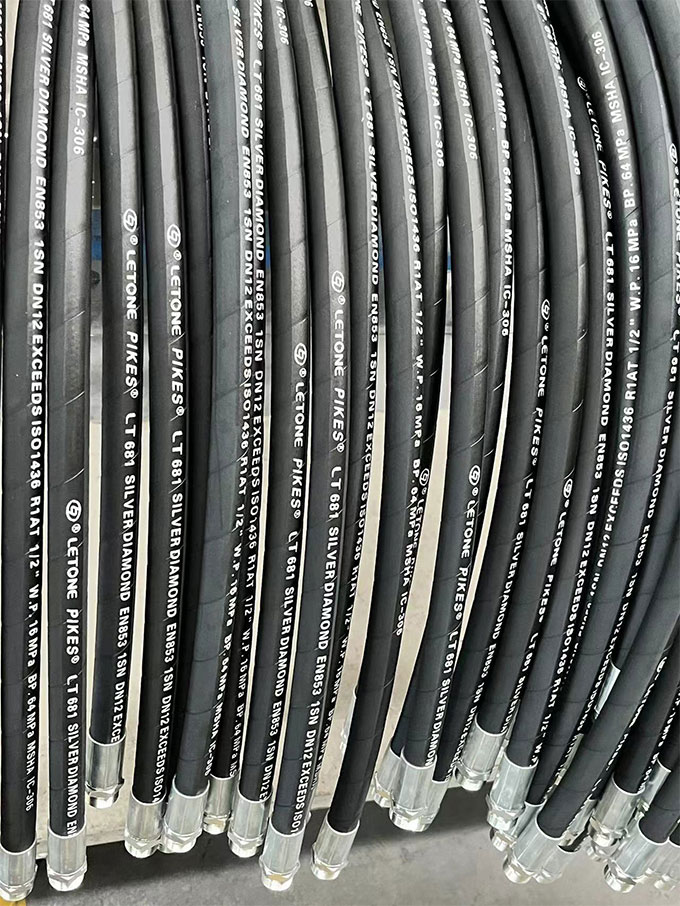
Recently, the journal *Qiushi* published an important article, "Promoting High-Quality Development of the Marine Economy," outlining the core path for my countr
More →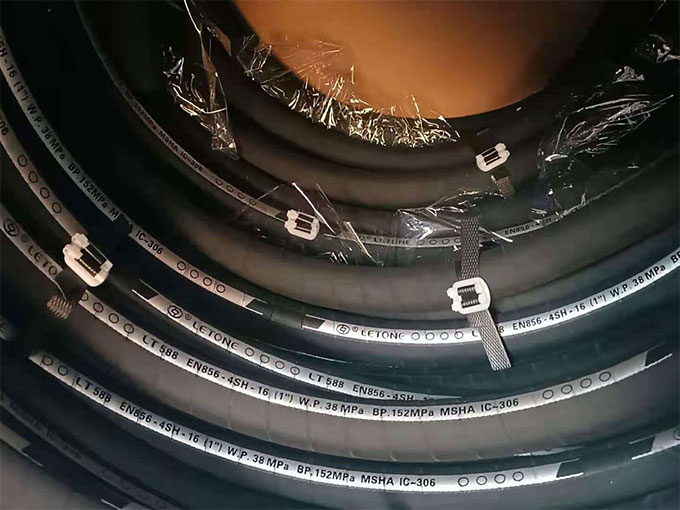
The National Development and Reform Commission (NDRC) recently officially announced the approval of a cluster of major projects with a total investment exceedin
More →Fill your requirements here, and we'll send the custmized solution and quotation to you by the reserved contact information.

Focusing on the field of fluid technology, Letone Technology prioritizes "low bending, high pressure, long life, and multi-functionality" in its product innovation and iteration.
Chat Online