Steel wire rubber pipes are used under high-pressure conditions. Improper operation or improper maintenance may cause bursts, leaks and even safety accidents. At Liaohe Petrochemical, when an employee used a steam hose to purge the pipeline, he blindly operated it without checking the status of the hose, causing the hose to dance and injure people. This reminds us that standardized operations must be implemented throughout the entire process of steel wire and rubber pipe selection, installation, use and maintenance.
1. Selection specifications: source risk control
Selection is the first step to ensure the safe use of steel wire rubber pipes. The working pressure needs to match, and the rated working pressure should be greater than or equal to the actual maximum working pressure of the system, with a safety margin left. The media compatibility needs to be confirmed, and the inner rubber layer material must be compatible with the transmission medium to avoid chemical reactions that may lead to corrosion or aging of the hose. The temperature range needs to be covered. High temperature environment accelerates rubber aging, while low temperature makes the hose hard and brittle. Special temperature-resistant hose should be selected. The pipe body must have clear pressure and temperature markings. Those without or unclear markings are strictly prohibited from use.
2. Installation specifications: avoid connection hazards
When installing, ensure that the hose stretches naturally and avoids twisting or knotting. Long-distance laying needs to be fixed with brackets, and the spacing is generally 1-1.5 meters. The steel wire hose should be equipped with a crimp-type joint. The length of the hose inserted into the metal pipe should not be less than 15 cm, and it should be locked with double clamps or iron wires. A length margin of 2%-5% should be reserved during installation to cope with expansion and contraction caused by temperature changes or vibration.
3. Usage specifications: Strictly abide by the operating procedures
Over-pressure use is strictly prohibited. Instantaneous pressure shock may cause irreversible damage. A buffer device must be installed in the system. Be sure to open the valve slowly to avoid a sudden rise in pressure. The hose should be kept away from sharp objects and heat sources, and protective sheaths should be installed when using mobile equipment.
4. Routine maintenance and inspection
Regularly check the surface of the hose for cracks, bulges or signs of leakage. Clean the residual media inside and outside promptly after use, especially corrosive media. If you find bulges, loose joints or a significant decrease in elasticity, you should replace them immediately.
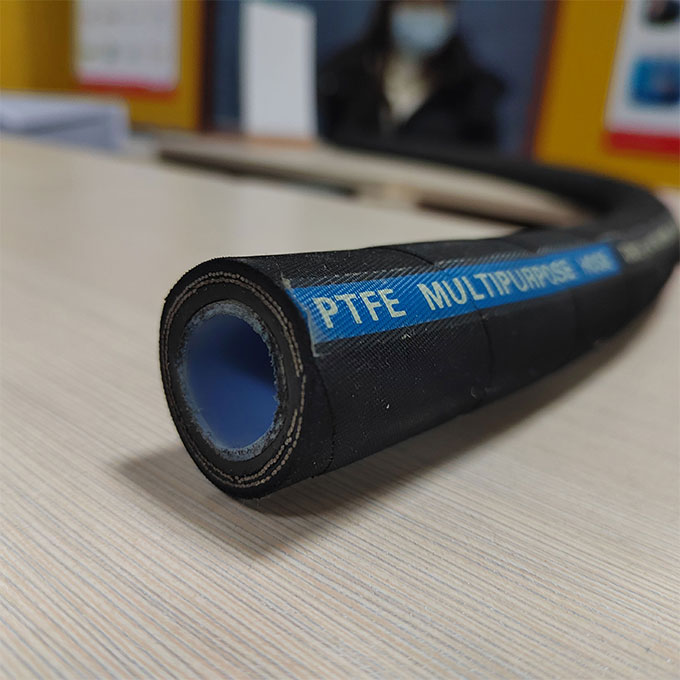
High-pressure rubber hoses are used in engineering machinery, mining equipment, and oil drilling to transport high-pressure media. Their internal structure is f
More →
Selecting a high-pressure rubber hose is not just about "looking at the diameter and comparing prices." For the same diameter, hoses with different pressure rat
More →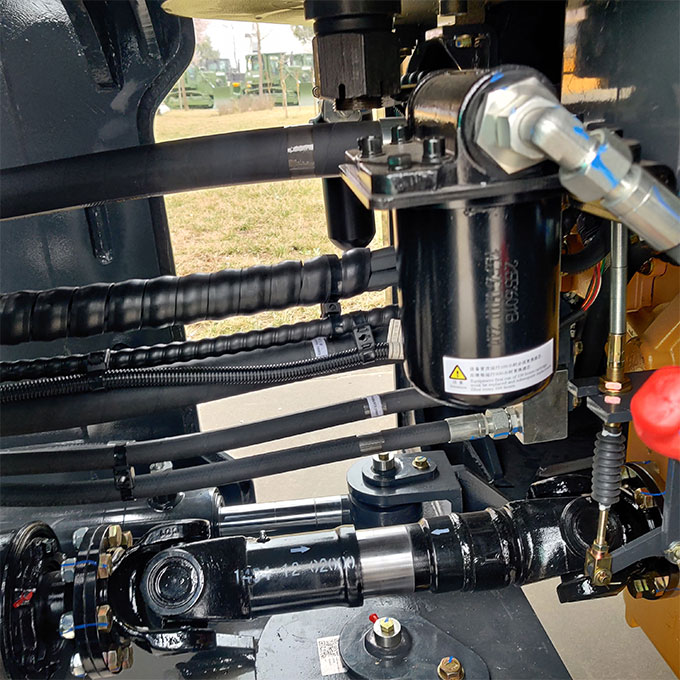
Even the best high-pressure rubber hoses can have significantly reduced lifespans without proper inspection and management. Statistics show that a considerable
More →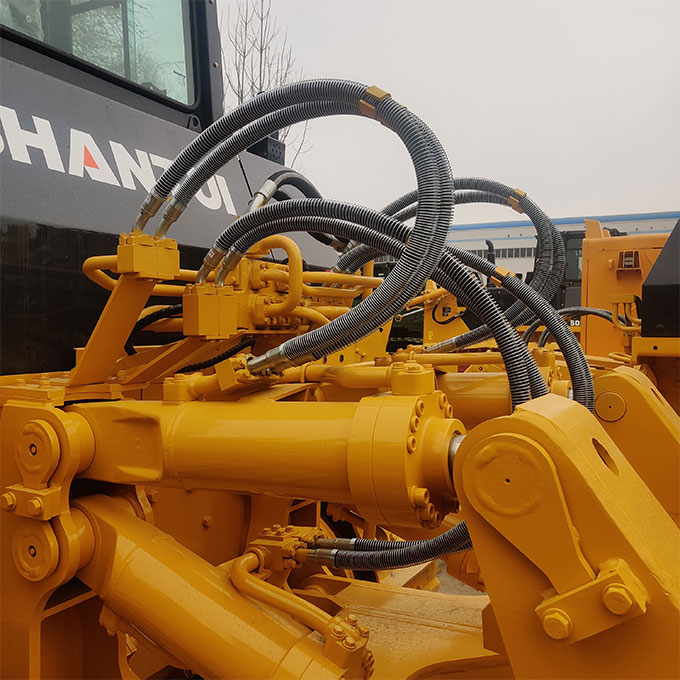
The installation quality of high-pressure rubber hose assemblies directly affects their service life. Even with the right hose, incorrect installation can ruin
More →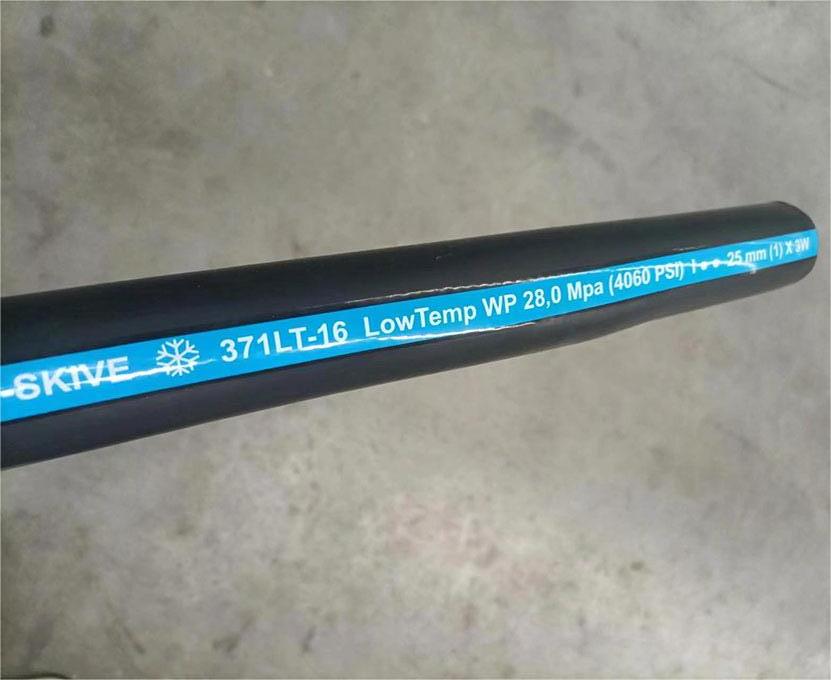
The failure modes of high-pressure rubber hoses under extreme working conditions are diverse, but in the final analysis they can be classified into several cate
More →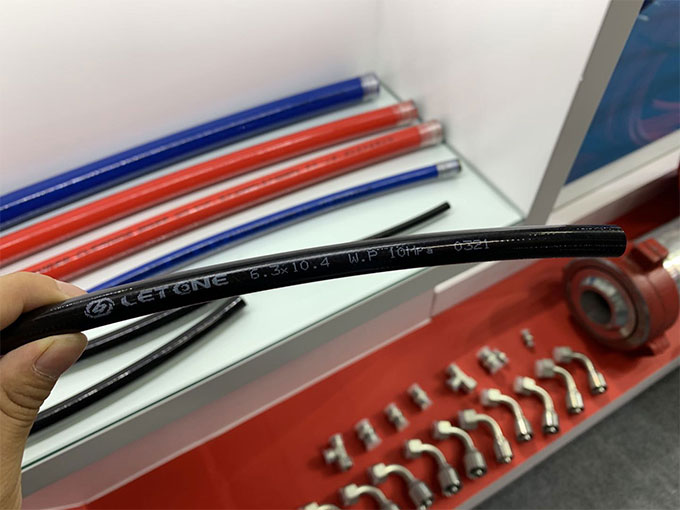
There's an easily overlooked rule in selecting high-pressure rubber hoses: the larger the diameter, the lower the pressure-bearing capacity. Hoses of the sa
More →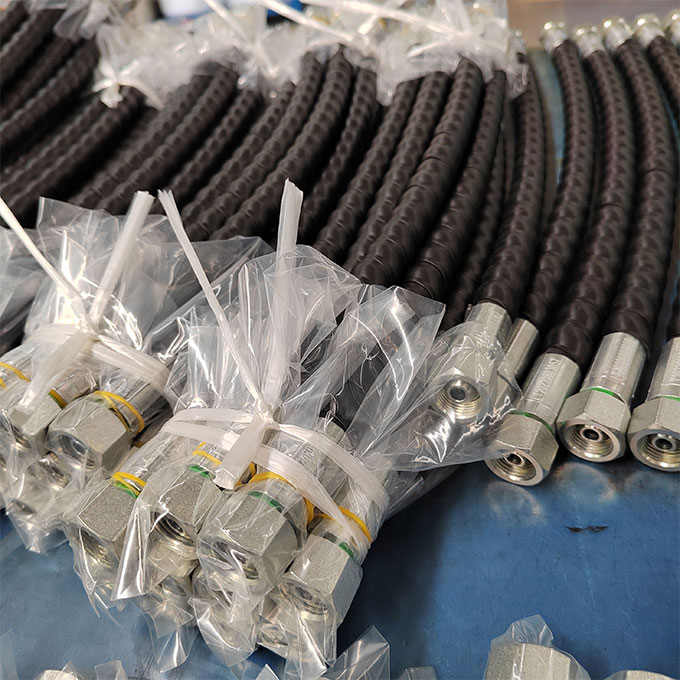
A significant portion of high-pressure rubber hose assembly failures originate not in the hose itself, but at the connector joints. Incorrect connector selectio
More →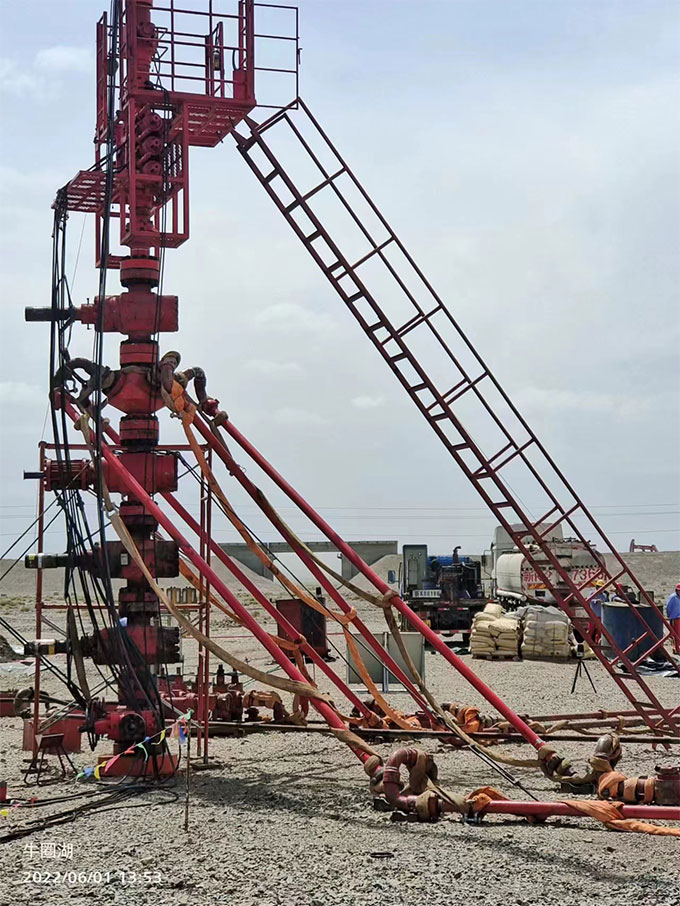
High-pressure rubber hoses transport various media, including hydraulic oil, water, air, and emulsions. Different media have completely different requirements f
More →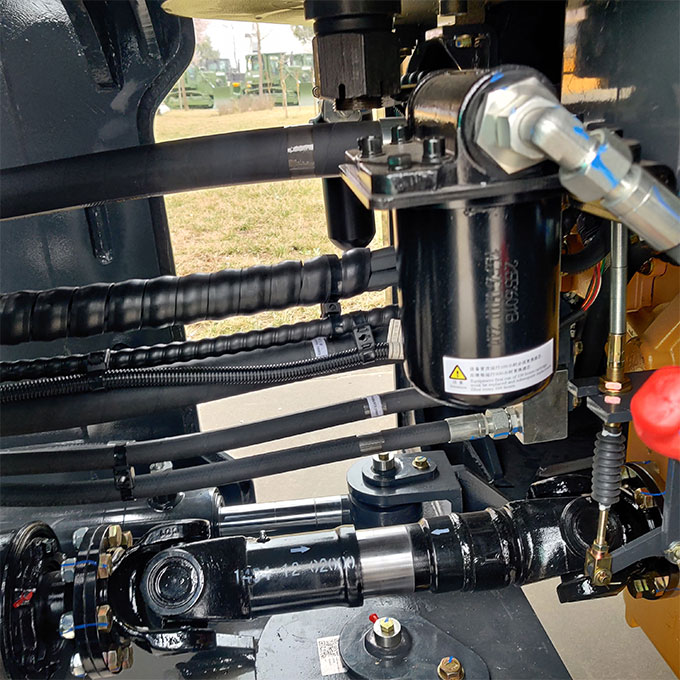
High-pressure rubber hoses withstand pressures of tens of megapascals; failure can lead to serious safety accidents. Establishing safe usage guidelines and emer
More →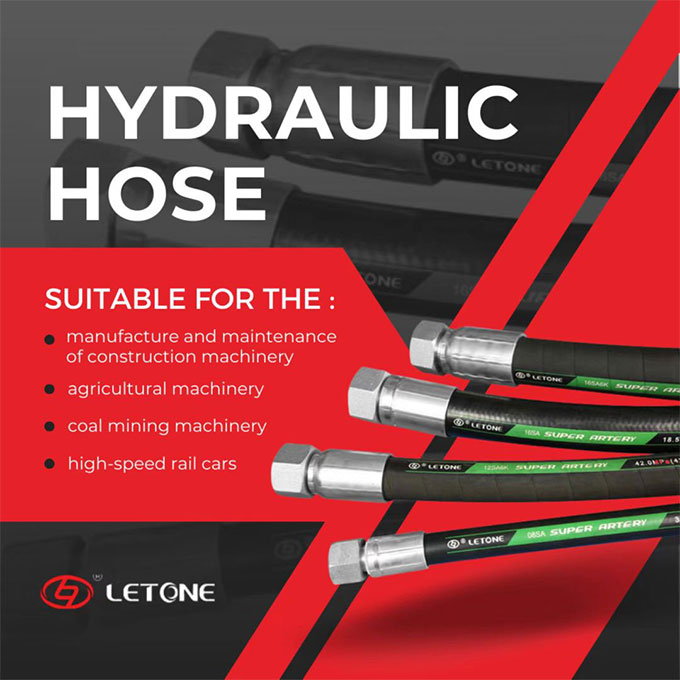
The production and inspection of high-pressure rubber hoses follow a strict technical standard system. Understanding the applicable scope and technical requirem
More →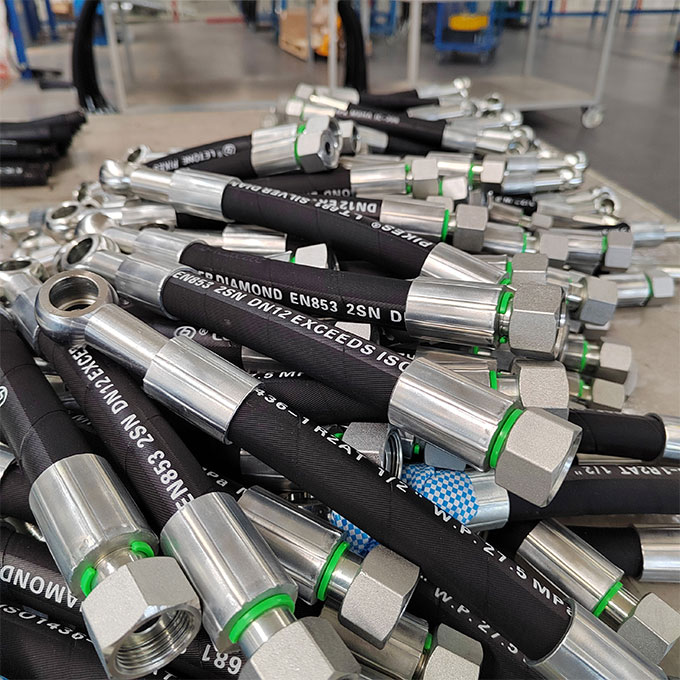
Steel wire rubber hoses are consumables. Even if they appear intact, the rubber material will gradually age over time and under certain usage conditions, result
More →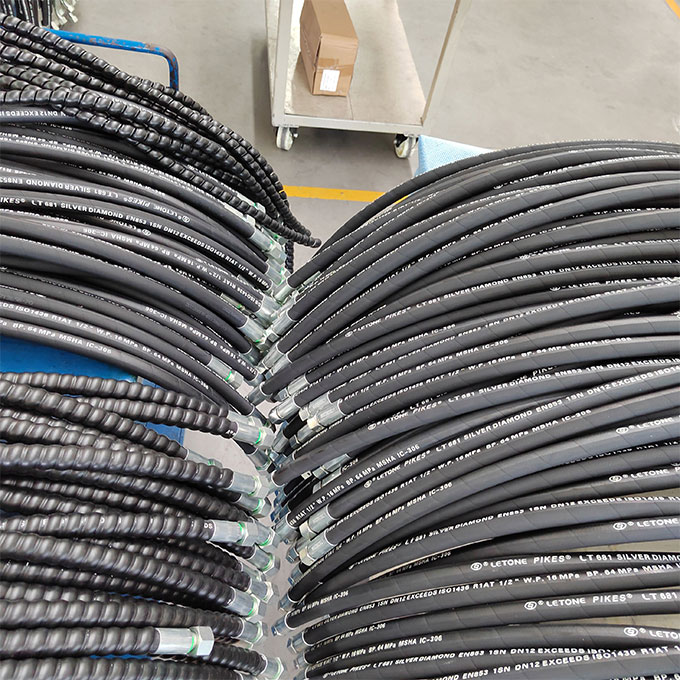
Wear-resistant rubber-steel wire industrial hoses offer unique application value in high-wear, high-pressure conveying scenarios. I. Wear Resistance Advantages
More →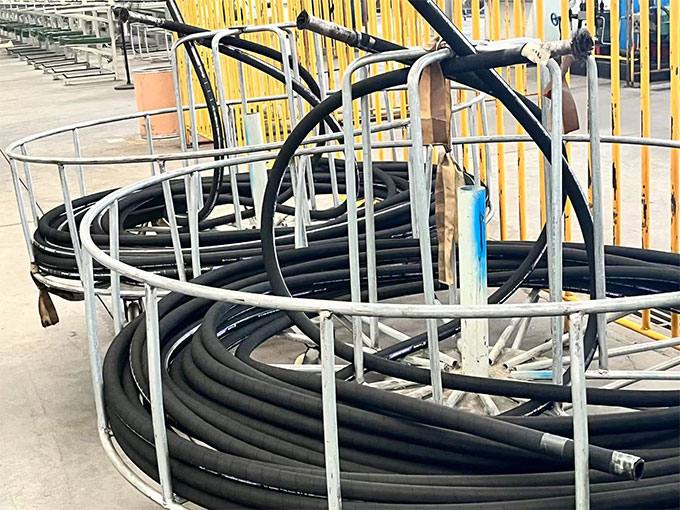
The installation quality of steel wire rubber hoses directly affects their service life and safety performance. Improper installation is a major cause of premat
More →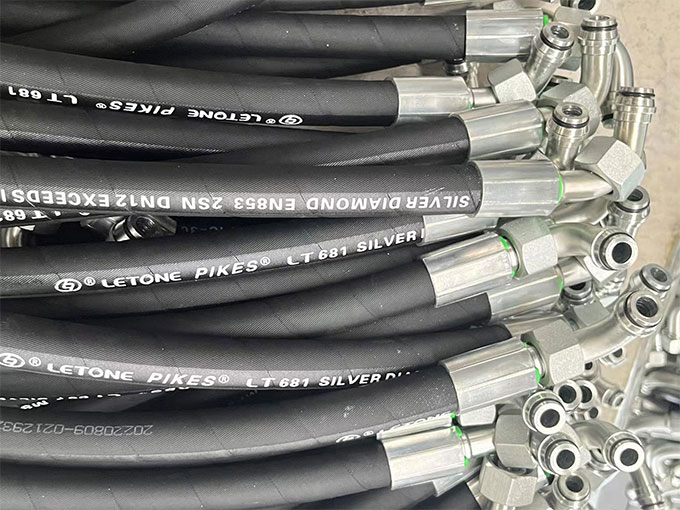
Steel wire rubber hose technology is developing towards higher pressure, longer lifespan, and greater intelligence. I. Technological Development Trends The s
More →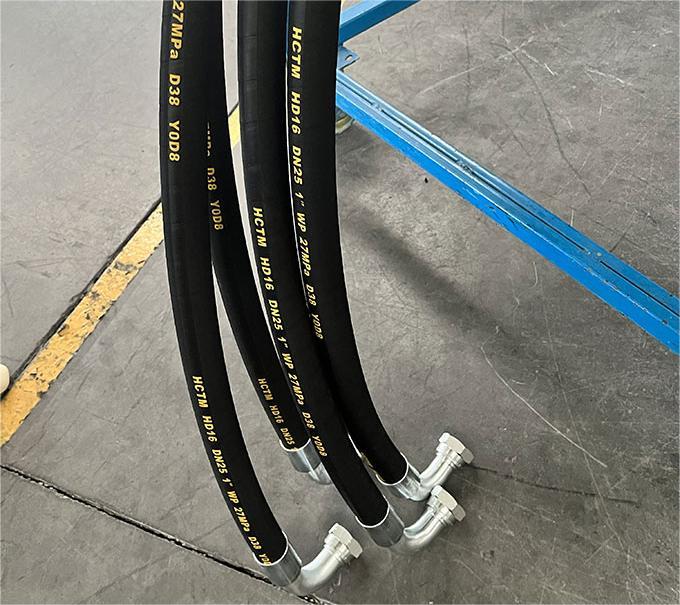
The selection of steel wire rubber hoses involves multiple technical parameters. This article compiles selection reference data according to structural type.
More →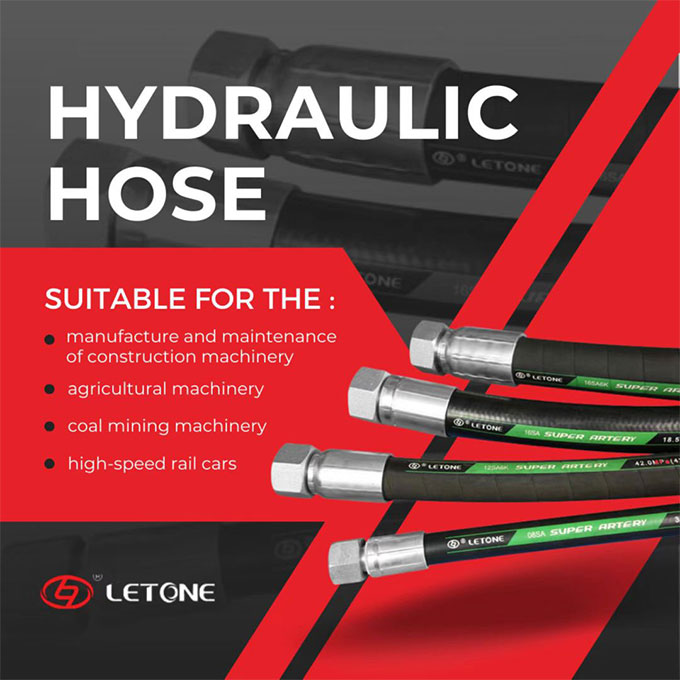
The production and quality inspection of steel wire rubber hoses follow a strict technical standard system. Understanding the applicable scope and technical req
More →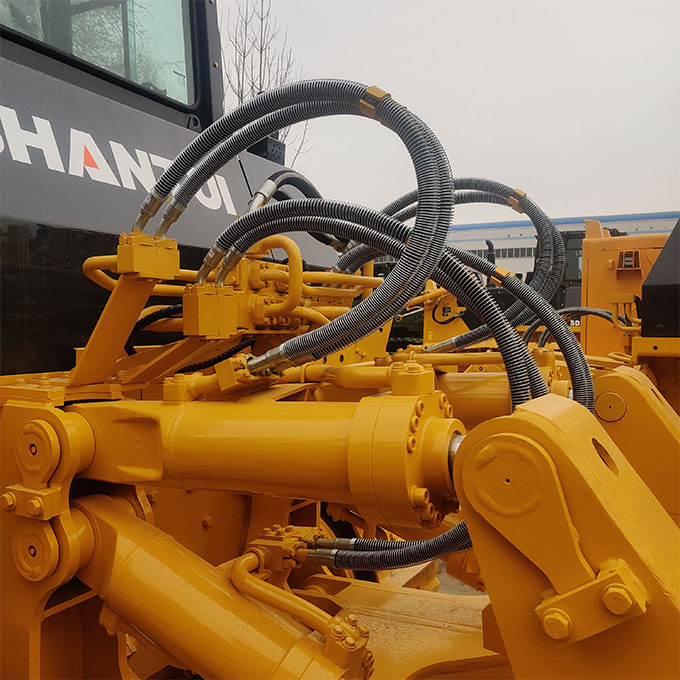
Construction machinery is the field with the most widespread application and most complex operating conditions for steel wire braided hoses. From the boom cylin
More →
Steel wire rubber pipes are used under high-pressure conditions. Improper operation or improper maintenance may cause bursts, leaks and even safety accidents. A
More →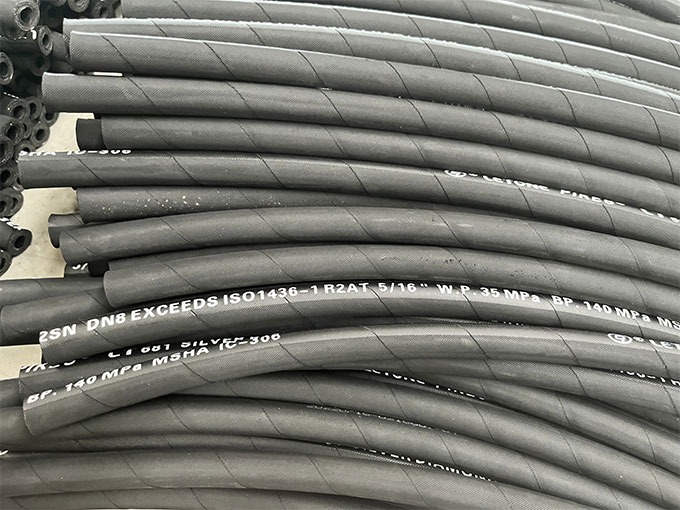
Steel wire rubber hoses are key components in industrial hydraulic systems and fluid transportation. Their core characteristic lies in the use of braided or wou
More →
The new energy heavy truck market in 2026 is undergoing a qualitative change from "can it be used" to "is it easy to use". The blockbuster policies of 11 min
More →
International Construction magazine, a subsidiary of the British KHL Group, a construction machinery information provider, released the 2026 Yellow Table &mdash
More →
Recently, the State Council issued the "15th Five-Year Plan for Accelerating the Modernization of Agriculture and Rural Areas" (hereinafter referred to as the "
More →
Recently, the journal *Qiushi* published an important article, "Promoting High-Quality Development of the Marine Economy," outlining the core path for my countr
More →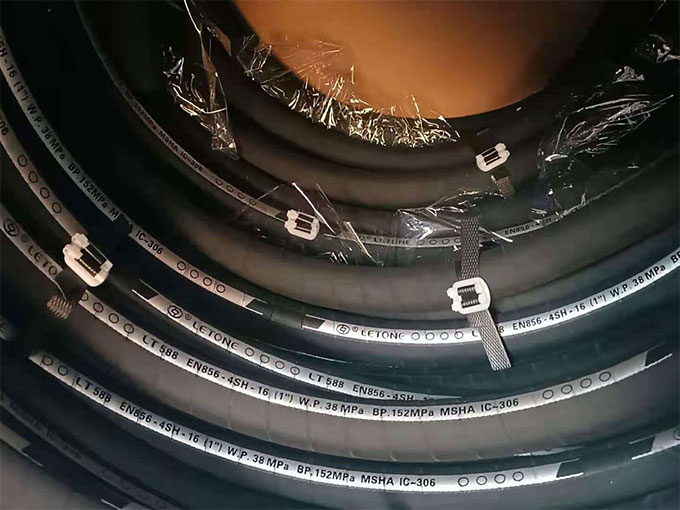
The National Development and Reform Commission (NDRC) recently officially announced the approval of a cluster of major projects with a total investment exceedin
More →Fill your requirements here, and we'll send the custmized solution and quotation to you by the reserved contact information.

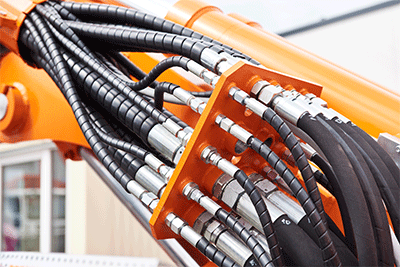
Focusing on the field of fluid technology, Letone Technology prioritizes "low bending, high pressure, long life, and multi-functionality" in its product innovation and iteration.
Chat Online