Recently, the State Council issued the "15th Five-Year Plan for Accelerating the Modernization of Agriculture and Rural Areas" (hereinafter referred to as the "Plan"), outlining a clear blueprint for agricultural and rural development over the next five years. This highly anticipated document not only sets a grain production capacity target of approximately 1.45 trillion jin (625 million tons) to solidify China's grain reserves, but also elevates the high-quality development of agricultural machinery and equipment to an unprecedented strategic level.
The Plan explicitly states that by 2030, the comprehensive mechanization rate of crop cultivation, planting, and harvesting should exceed 80%. For the first time, it proposes cultivating and strengthening emerging and future industries in the agricultural sector, and incorporates pioneering industries such as new energy agricultural machinery and low-altitude agricultural economy into the framework for large-scale development. This places China's agricultural machinery industry on a new starting line, transitioning from "large" to "strong" and from "mechanization" to "intelligentization."
Throughout the Plan, content related to agricultural machinery and equipment permeates several core sections. Regarding strengthening agricultural science and technology and equipment support, the Plan emphasizes the need to promote decisive breakthroughs in key core technologies across the entire agricultural value chain and accelerate the large-scale development of more pioneering industries. A relevant official from the Ministry of Agriculture and Rural Affairs clarified during the interpretation that during the 15th Five-Year Plan period, the Ministry will focus on promoting the large-scale development of more pioneering industries such as new energy agricultural machinery, low-altitude agricultural economy, agricultural bio-manufacturing, and new food products; and will plan and implement targeted actions such as high-quality development of agricultural machinery equipment, upgrading of agricultural bio-manufacturing, and "artificial intelligence + agriculture" to support the development of new agricultural productivity.
It is noteworthy that the Plan sets several quantitative targets and policy levers in the agricultural machinery sector. Regarding equipment innovation, the Plan proposes to create and apply advanced and applicable agricultural machinery equipment, and promote the research and application of high-end intelligent agricultural machinery equipment suitable for hilly and mountainous areas. Regarding industrial ecosystem construction, the Plan clearly defines the cultivation of leading enterprises, single-item manufacturing enterprises, and specialized and innovative SMEs in the agricultural machinery equipment sector, supporting enterprises to strengthen production line technology transformation and accelerate digital transformation, and building strong advanced manufacturing clusters and SME characteristic industrial clusters in the agricultural machinery equipment sector. The Plan also specifically proposes to systematically promote the research and development of new energy agricultural machinery equipment technology, industrial collaboration, and infrastructure construction, and to orderly promote the development of the low-altitude economy in the agricultural and rural areas. In terms of policy incentives, the government implements a "preferential subsidy for superior machinery" and "entry and exit" system for agricultural machinery purchase and application subsidies, along with the scrapping and replacement of old agricultural machinery, promoting the transformation of subsidy policies from "universal" to "precision."
"Emerging agricultural industries are new growth points emerging today, and future agricultural industries are the strategic high ground that my country's agriculture must seize. Together, they constitute the technological foundation of my country's strategy to become a strong agricultural nation," explained Qiu Tongwei, a professor at Nanjing Agricultural University, from an industrial strategic perspective. He suggested accelerating the development of emerging agricultural industries such as smart agriculture, while actively cultivating future industries such as molecular agriculture and gene-editing breeding, large-scale agricultural models, and AI decision-making systems to activate new momentum for high-quality agricultural development in my country.
From an industrial foundation perspective, this top-level design has solid practical support. Statistics show that by 2025, the comprehensive mechanization rate of crop cultivation and harvesting nationwide had reached 76.7%, exceeding the "14th Five-Year Plan" target. The strong support of agricultural machinery has provided a solid guarantee for the total grain output to remain stable at over 1.4 trillion jin for two consecutive years. "Currently, my country's agricultural production has a stronger and more urgent demand for agricultural machinery and equipment," Ning Xuegui, vice president of the China Agricultural Machinery Industry Association, told reporters. Through a transformation from "scale expansion" to "quality upgrading," the agricultural machinery industry has formed a competitive landscape where domestic brands dominate the mid-range mainstream market, while foreign brands focus on high-end niche markets. Products are becoming more diverse, moving from single products to overall solutions. Enterprises are launching integrated solutions covering the entire agricultural production process, and digital and intelligent technologies are increasingly prominent. Addressing Structural Challenges
Looking at the beginning of the "15th Five-Year Plan," although China's agricultural machinery industry has established the world's most comprehensive and largest industrial system, the structural contradictions of "large but not strong, numerous but not excellent" remain prominent. Insufficient high-end supply capacity, low mechanization levels in hilly and mountainous areas, and uneven innovation capabilities among enterprises remain the main shortcomings restricting the industry's leap forward.
Luo Xiwen, an academician of the Chinese Academy of Engineering and professor at South China Agricultural University, once bluntly stated that while my country's agricultural machinery has gradually approached international levels in performance indicators such as operating efficiency, the gap in intelligence and reliability still needs to be addressed. For example, in the field of combine harvesters, mainstream foreign products are generally equipped with yield measurement and feedback control systems, which can automatically adjust operating parameters. Mainstream Chinese products have not yet achieved the same level of intelligence. Uneven regional development is also a prominent pain point; the mechanization rate in hilly and mountainous areas nationwide is only 53.5%, far lower than in plains areas. The "Plan" explicitly proposes to promote the research and application of agricultural machinery and equipment suitable for hilly and mountainous areas, which is a precise response to this pain point.
In terms of specific progress, hybrid tractors have now formed a full range of products from 200 to 700 horsepower. China YTO has completed the research and verification of 200 to 240 horsepower hybrid tractors and achieved small-scale industrial application; Zoomlion's DQ3004 hybrid tractor delivered to Aksu region of Xinjiang has been put into spring plowing, with some models achieving a comprehensive fuel saving rate of 20%-40%. In the pure electric vehicle sector, Weichai Lovol's E1000 pure electric tractor, showcased at the Hannover Agricultural Machinery Exhibition, can support 6 hours of continuous heavy-load operation. Zhongke Yuan Power's Wantu series of new energy intelligent tractors boasts 30% higher operating efficiency and 80% lower overall operating costs compared to traditional models.
"Despite these advancements, new energy agricultural machinery still faces two major bottlenecks. First, there is insufficient verification of operational performance, with reliability, safety, and adaptability needing improvement. Second, the level of intelligent control is weak, with operational endurance, stability, and precision needing enhancement," said Song Zhenghe, Dean of the College of Engineering at China Agricultural University. He told reporters that development should focus on upgrading intelligent control algorithms, improving thermal management, specializing components, enhancing verification capabilities, and establishing a sound standards system.
Song Zhenghe further explained that it is necessary to base development on the power, electricity, and operational characteristics of new energy agricultural machinery, clarify the key performance requirements of the entire machine, and establish targeted verification assessment indicators. The concept of embodied robots has become a global focus, and the transformation of new energy agricultural machinery into intelligent agricultural robots is more in line with the development trend of modern agriculture. It is also necessary to supplement parameter testing specifications adapted to the characteristics of new energy and to develop a "configuration list + level assessment" covering mechanics, power, electronic control, and intelligence.
Amid the growing pains of industrial transformation, a number of leading enterprises are accelerating their breakthroughs. A research report released by the China Business Industry Research Institute shows that the compound annual growth rate of China's agricultural machinery market will reach 7.8% from 2020 to 2024, and the market size will reach 146.7 billion yuan by 2030, of which the intelligent agricultural machinery market is expected to reach 103.9 billion yuan.
New energy and intelligentization have become the two main engines of industrial upgrading. At the recently held 2026 Xinjiang International Agricultural Machinery Expo, nearly 700 companies showcased over 11,000 agricultural machinery products, with artificial intelligence and green energy being the main products. Xinjiang Boshiran Intelligent Agricultural Machinery Co., Ltd. launched a hybrid six-row cotton harvester, which can reduce fuel consumption by 25% to 33% compared to traditional cotton harvesters and is equipped with an intelligent operating system, further improving the harvesting efficiency.
The accelerated implementation of smart farms is pushing technology from blueprints to the fields. In Luohe, Henan, the smart farm jointly built by Henan Agricultural University and the local government has achieved unmanned operation across the entire chain of "plowing-planting-management-harvesting". According to on-site statistics, smart farms save 31% of water, reduce fertilizer use by 20%, and reduce labor by 40%. Wheat and corn yields increased by 300 kg over two seasons, resulting in cost savings and increased efficiency of 916 yuan per mu (approximately 0.16 acres).
Agricultural machinery exports have become a new growth engine, with Chinese agricultural machinery rapidly entering the world stage. Data shows that agricultural machinery exports continued to improve in 2025, with ASEAN becoming my country's largest trading partner, and countries participating in the Belt and Road Initiative contributing over 60% of the export share. In the first quarter of 2026, China's total exports of agricultural machinery and equipment and parts reached US$5.94 billion, a year-on-year increase of 28.9%, of which main engine exports reached US$4.53 billion, a year-on-year increase of 37.8%. Notably, new energy agricultural machinery has also become a new growth point for exports, with some companies' hybrid tractors and electric tillers entering the Southeast Asian and Central Asian markets in batches, demonstrating a good price-performance advantage.
In response, Yu Dongke, Secretary-General of the Engineering and Agricultural Machinery Branch of the China Chamber of Commerce for Machinery and Electronic Products Import and Export, stated that while export volume has expanded, the trend of product structure optimization is equally significant, with the proportion of large and medium-sized, multi-functional, and intelligent models continuing to increase, and the product structure being adjusted and optimized towards high-end products.
2026 marks the beginning of the 15th Five-Year Plan and is a crucial period for my country's agricultural machinery equipment industry to leap from "mechanization" to "intelligentization." With the formal implementation of the Plan, a clear timetable and roadmap for the high-quality development of agricultural machinery equipment have been established. From the strategic tone set at the top level to the structural reform of the industry's supply side, and the accelerated advancement of globalization, a more resilient and competitive picture of a strong agricultural machinery nation is rapidly taking shape.
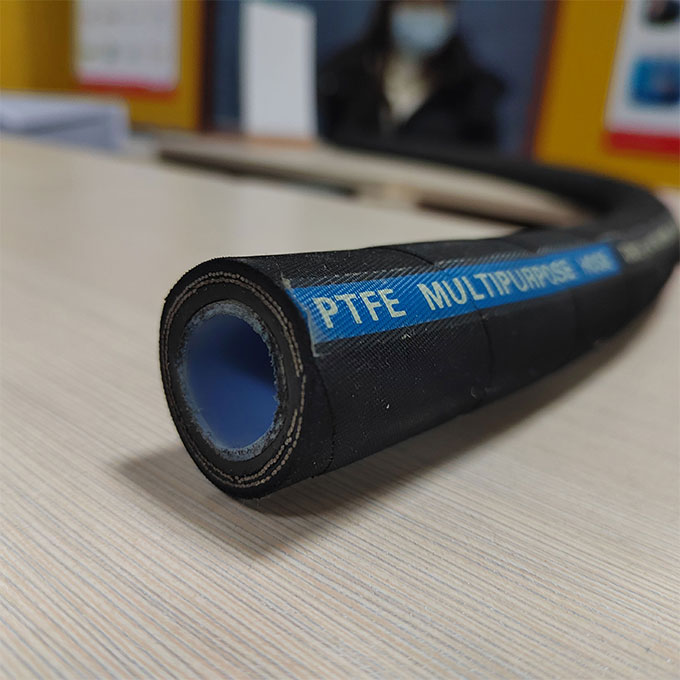
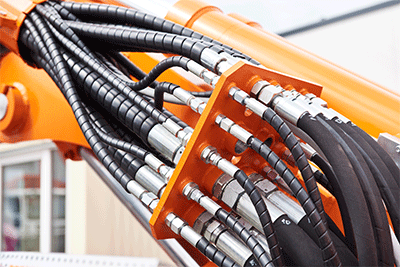
High-pressure rubber hoses are used in engineering machinery, mining equipment, and oil drilling to transport high-pressure media. Their internal structure is f
More →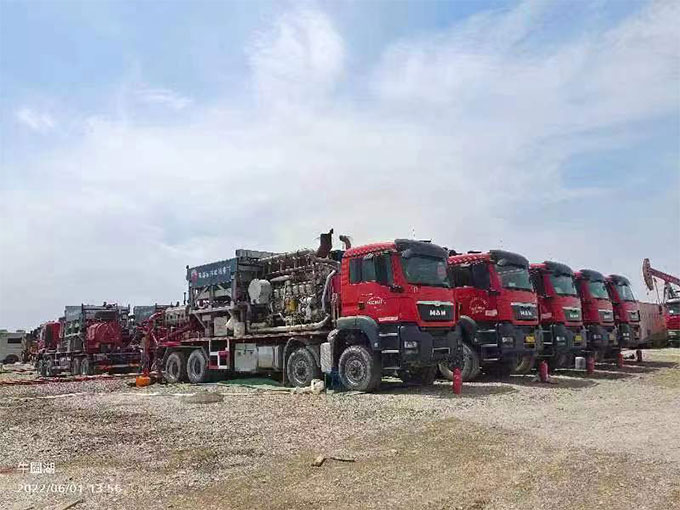
Selecting a high-pressure rubber hose is not just about "looking at the diameter and comparing prices." For the same diameter, hoses with different pressure rat
More →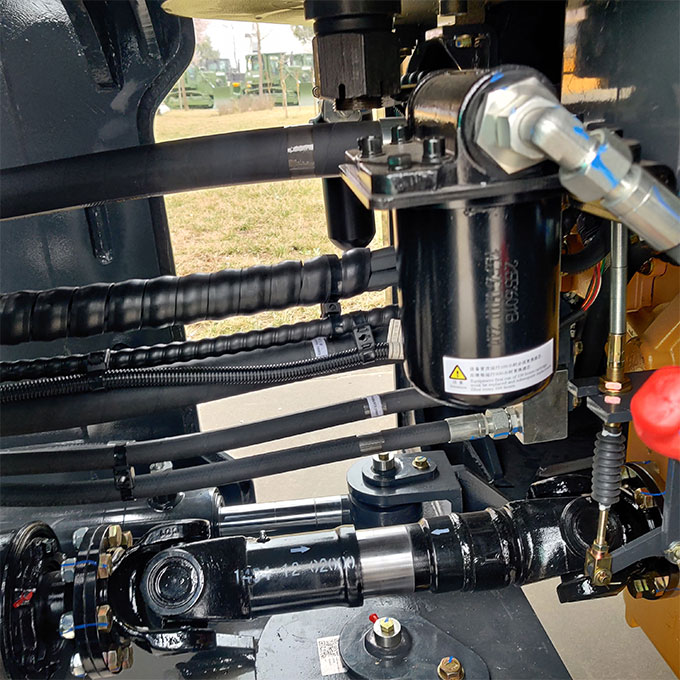
Even the best high-pressure rubber hoses can have significantly reduced lifespans without proper inspection and management. Statistics show that a considerable
More →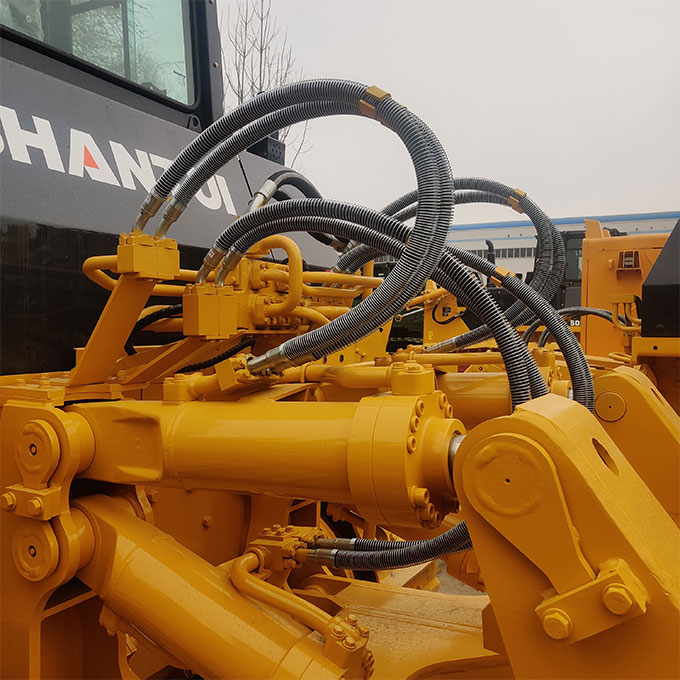
The installation quality of high-pressure rubber hose assemblies directly affects their service life. Even with the right hose, incorrect installation can ruin
More →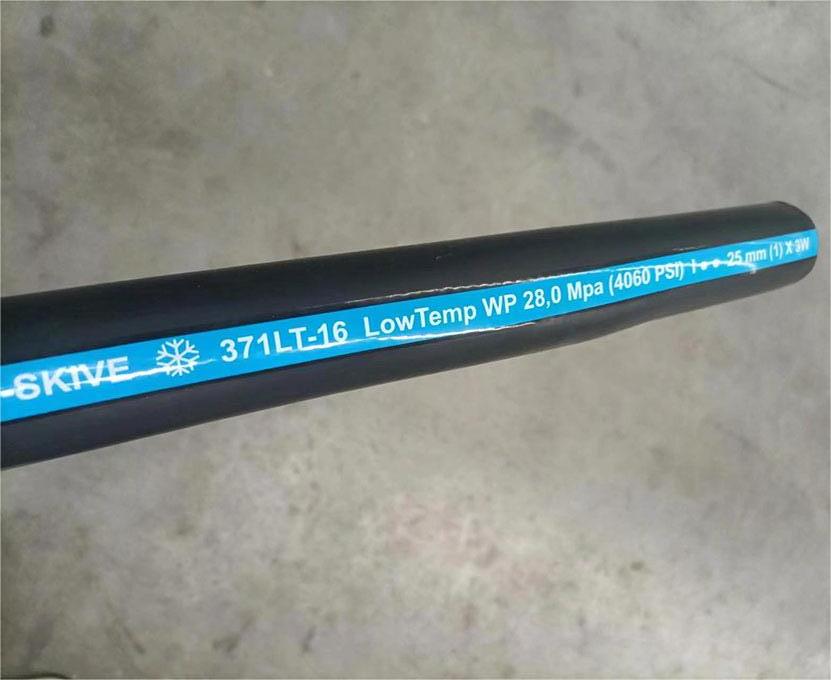
The failure modes of high-pressure rubber hoses under extreme working conditions are diverse, but in the final analysis they can be classified into several cate
More →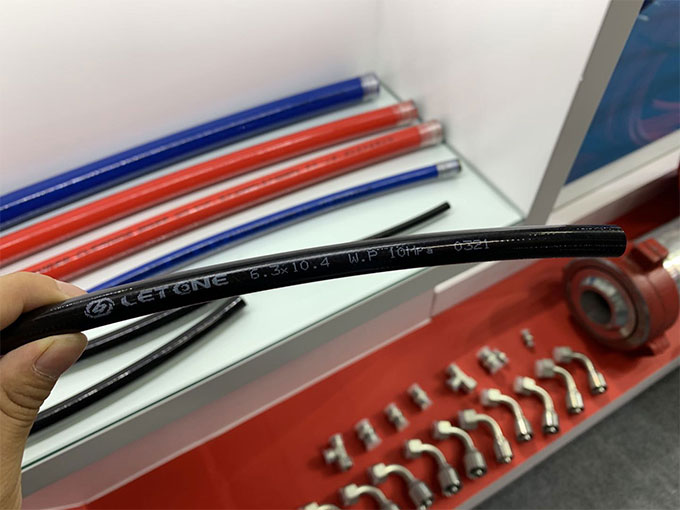
There's an easily overlooked rule in selecting high-pressure rubber hoses: the larger the diameter, the lower the pressure-bearing capacity. Hoses of the sa
More →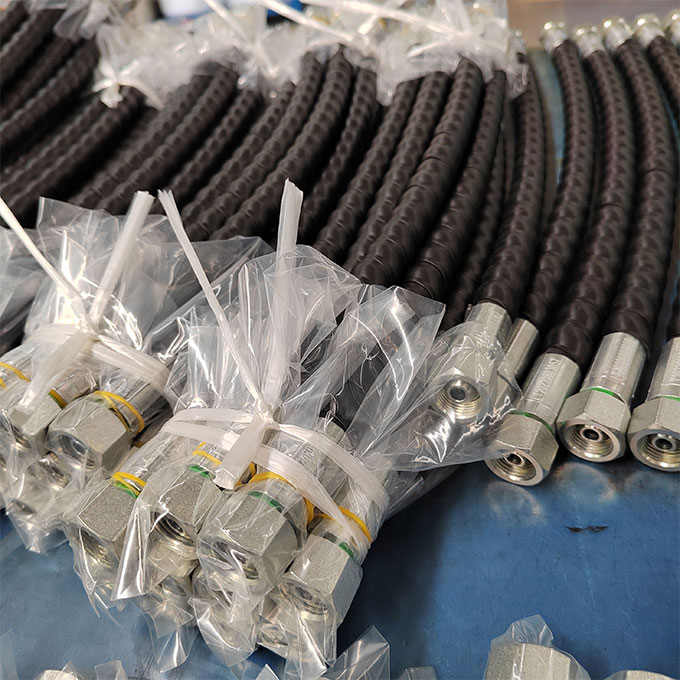
A significant portion of high-pressure rubber hose assembly failures originate not in the hose itself, but at the connector joints. Incorrect connector selectio
More →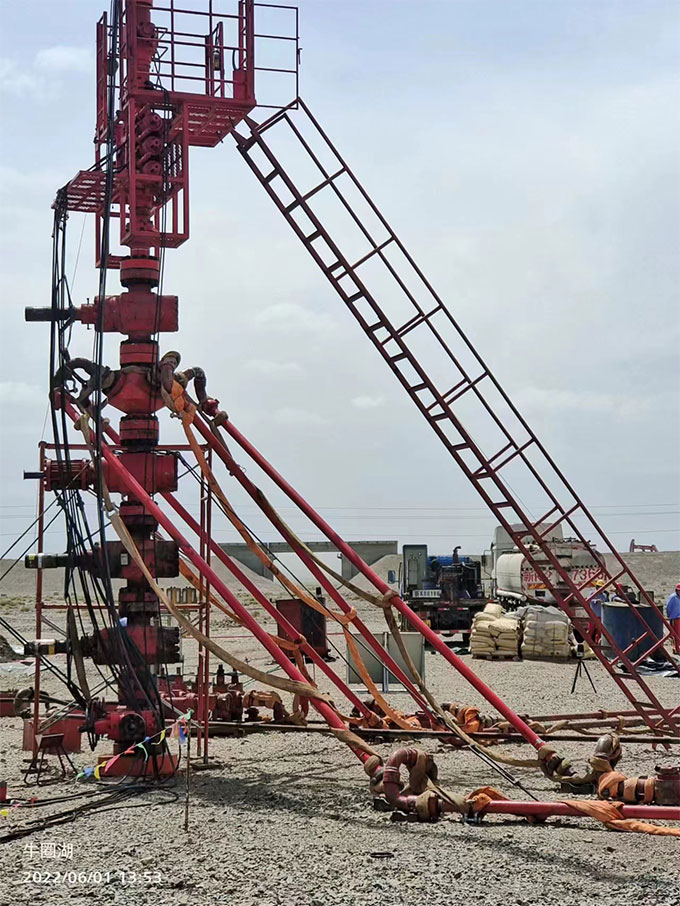
High-pressure rubber hoses transport various media, including hydraulic oil, water, air, and emulsions. Different media have completely different requirements f
More →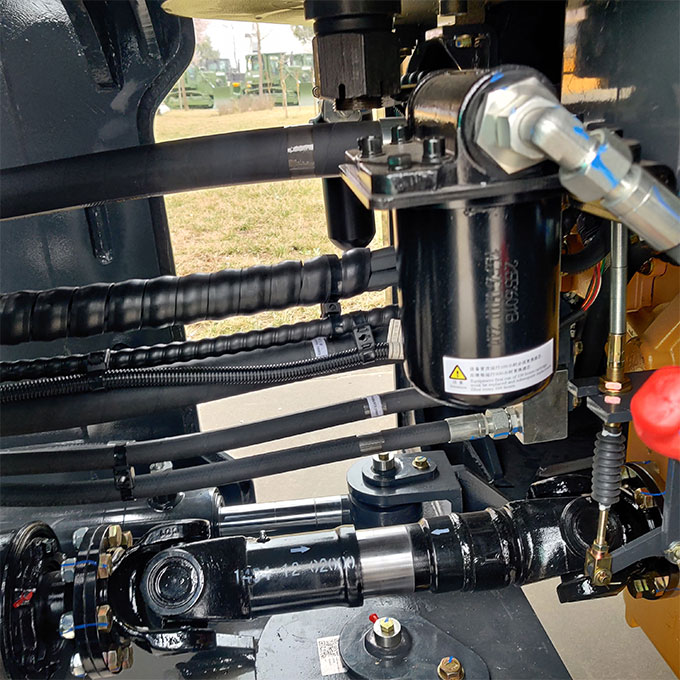
High-pressure rubber hoses withstand pressures of tens of megapascals; failure can lead to serious safety accidents. Establishing safe usage guidelines and emer
More →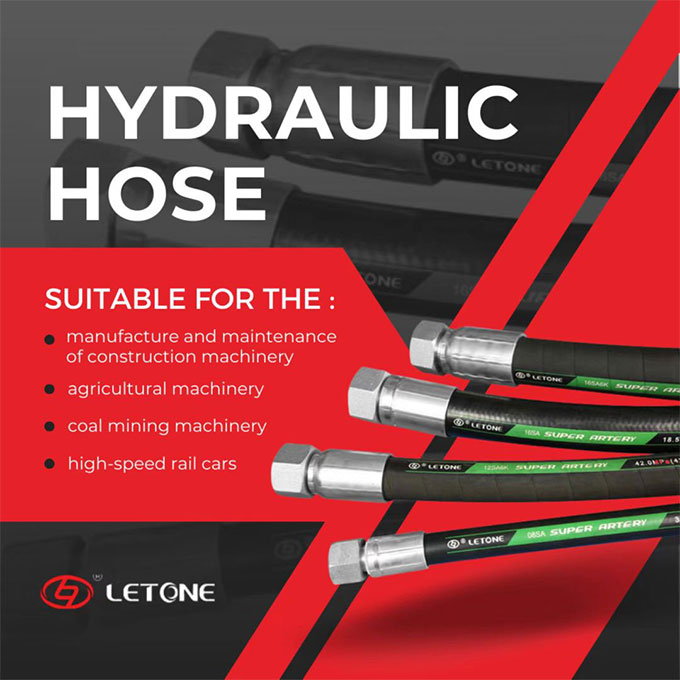
The production and inspection of high-pressure rubber hoses follow a strict technical standard system. Understanding the applicable scope and technical requirem
More →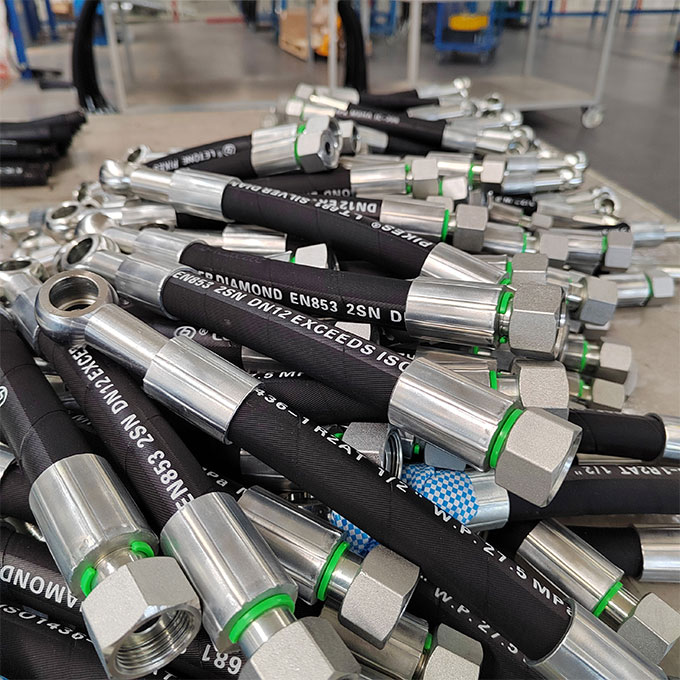
Steel wire rubber hoses are consumables. Even if they appear intact, the rubber material will gradually age over time and under certain usage conditions, result
More →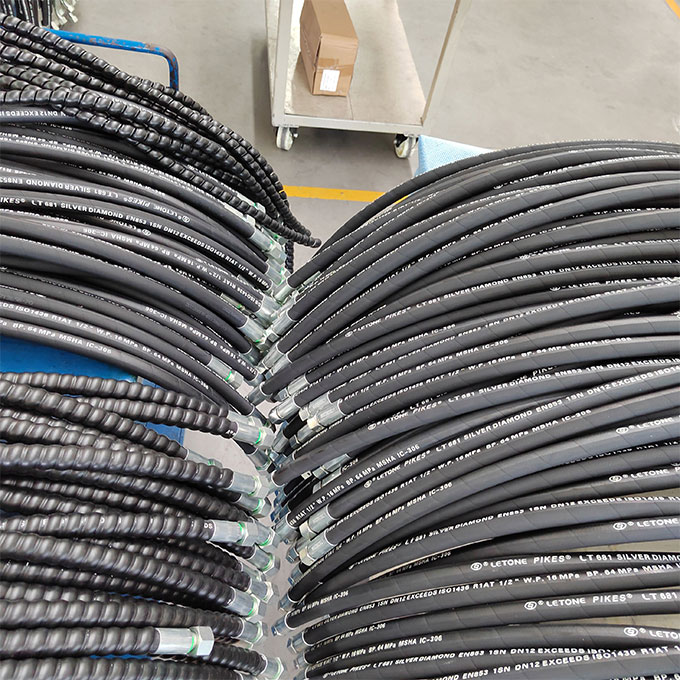
Wear-resistant rubber-steel wire industrial hoses offer unique application value in high-wear, high-pressure conveying scenarios. I. Wear Resistance Advantages
More →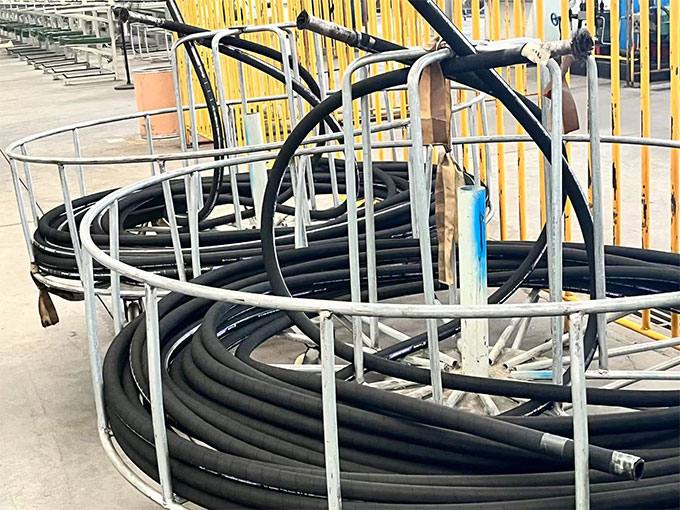
The installation quality of steel wire rubber hoses directly affects their service life and safety performance. Improper installation is a major cause of premat
More →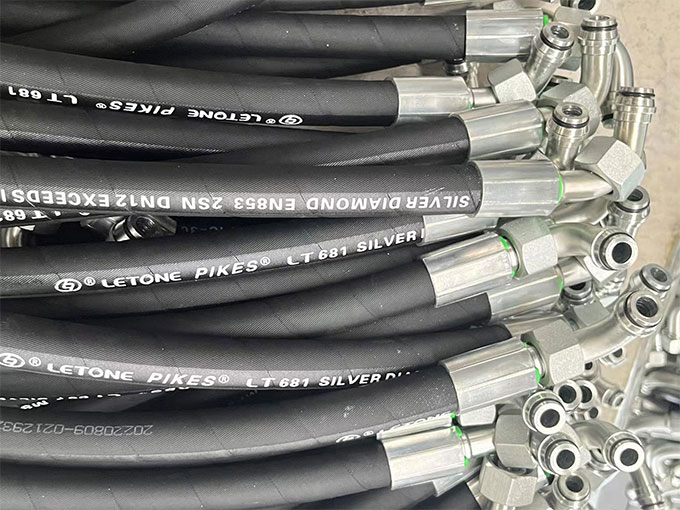
Steel wire rubber hose technology is developing towards higher pressure, longer lifespan, and greater intelligence. I. Technological Development Trends The s
More →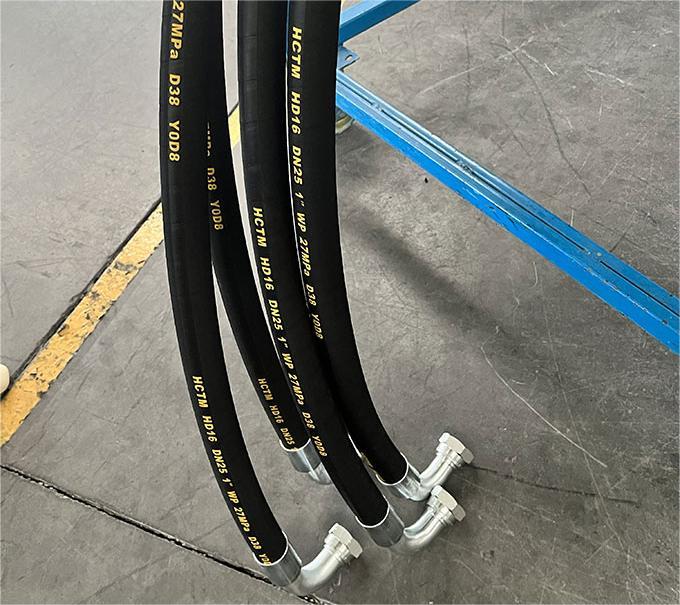
The selection of steel wire rubber hoses involves multiple technical parameters. This article compiles selection reference data according to structural type.
More →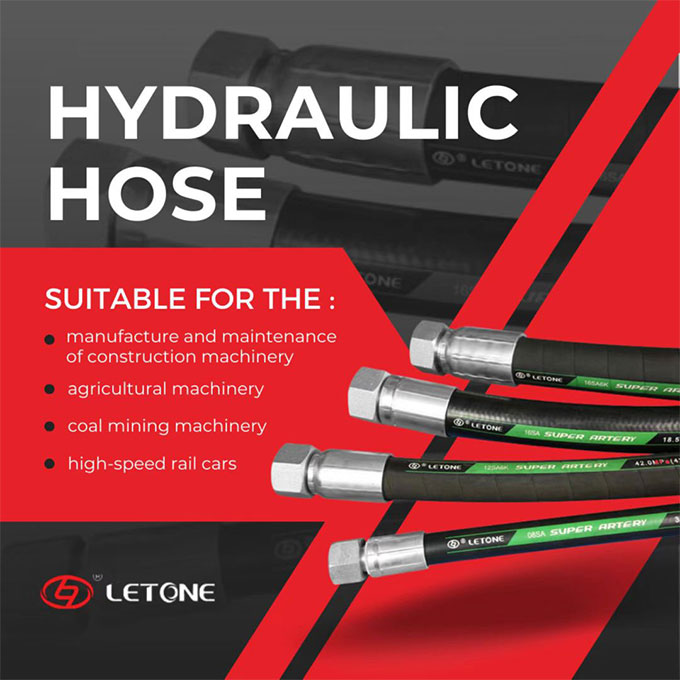
The production and quality inspection of steel wire rubber hoses follow a strict technical standard system. Understanding the applicable scope and technical req
More →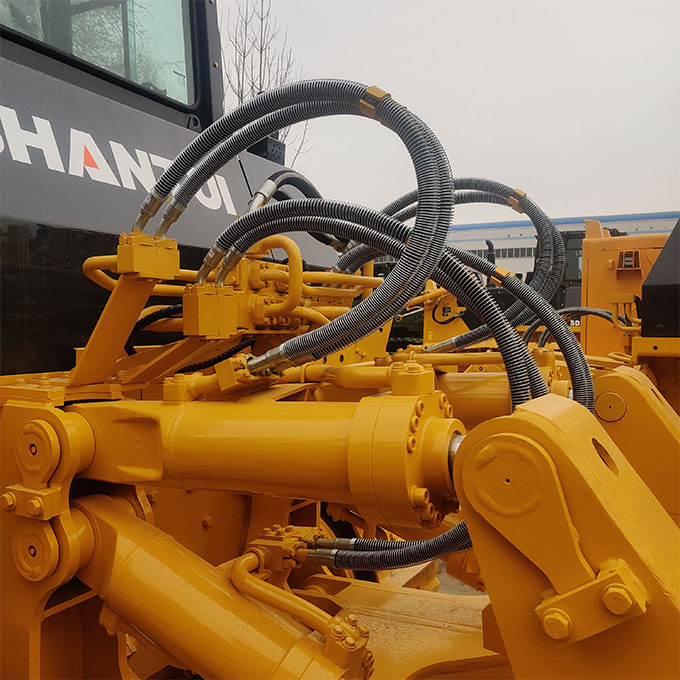
Construction machinery is the field with the most widespread application and most complex operating conditions for steel wire braided hoses. From the boom cylin
More →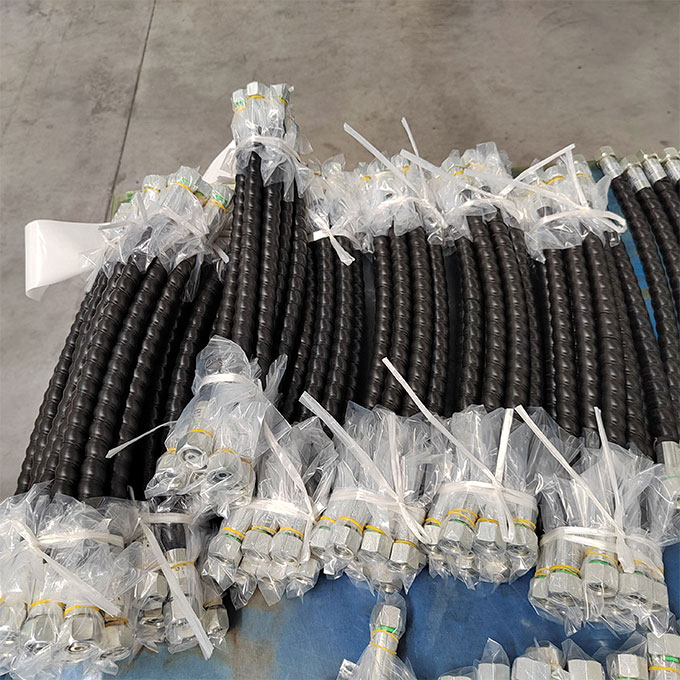
Steel wire rubber pipes are used under high-pressure conditions. Improper operation or improper maintenance may cause bursts, leaks and even safety accidents. A
More →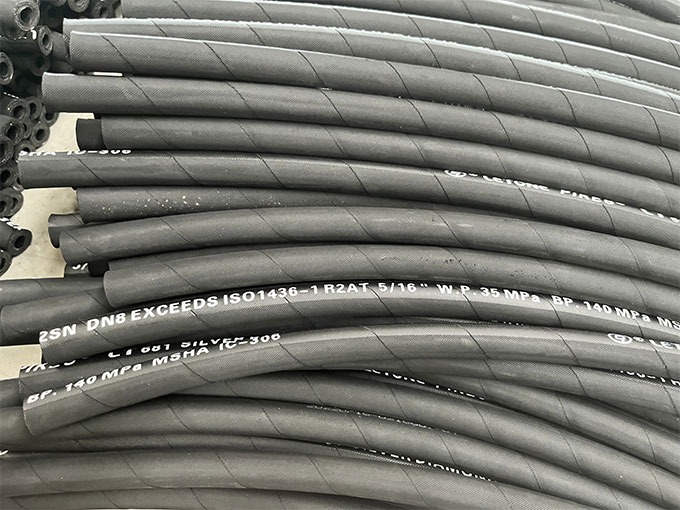
Steel wire rubber hoses are key components in industrial hydraulic systems and fluid transportation. Their core characteristic lies in the use of braided or wou
More →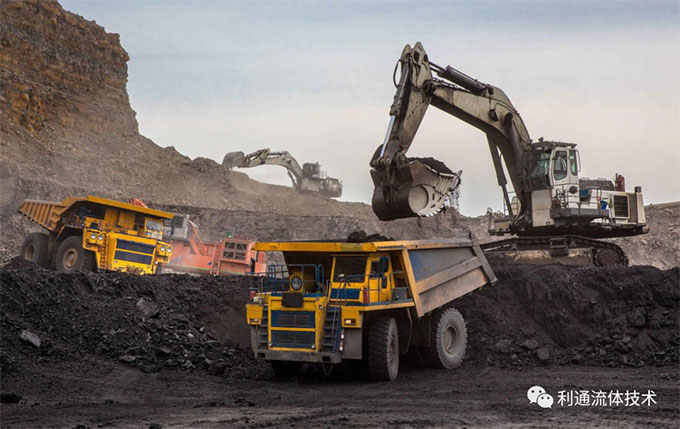
The new energy heavy truck market in 2026 is undergoing a qualitative change from "can it be used" to "is it easy to use". The blockbuster policies of 11 min
More →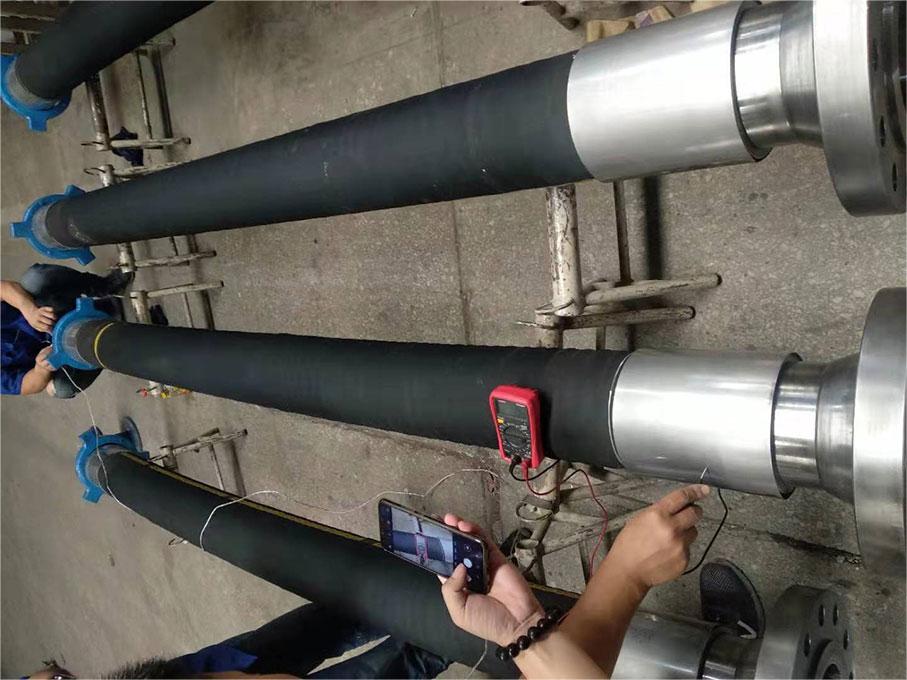
International Construction magazine, a subsidiary of the British KHL Group, a construction machinery information provider, released the 2026 Yellow Table &mdash
More →
Recently, the State Council issued the "15th Five-Year Plan for Accelerating the Modernization of Agriculture and Rural Areas" (hereinafter referred to as the "
More →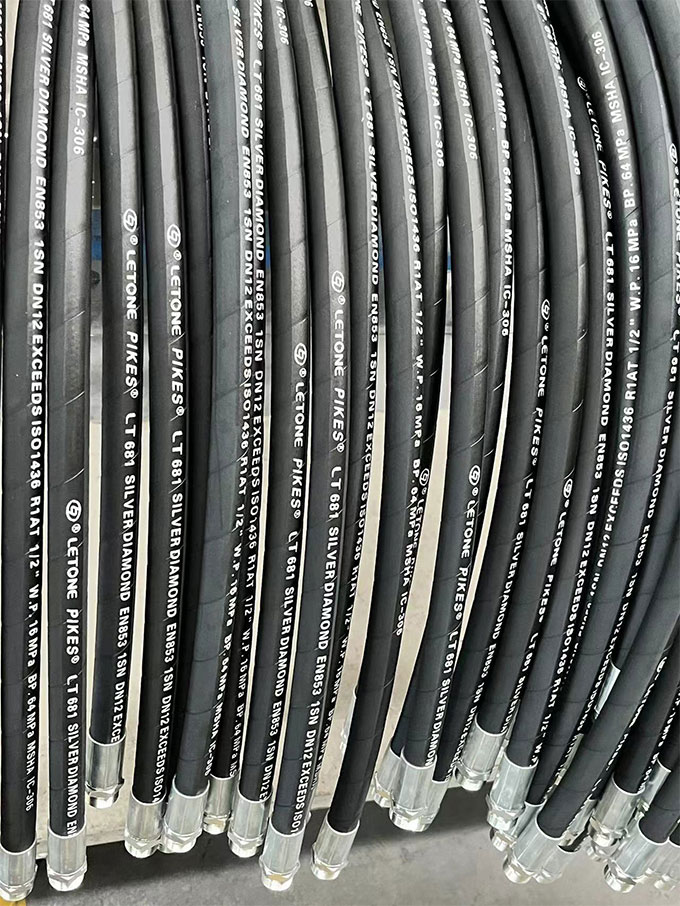
Recently, the journal *Qiushi* published an important article, "Promoting High-Quality Development of the Marine Economy," outlining the core path for my countr
More →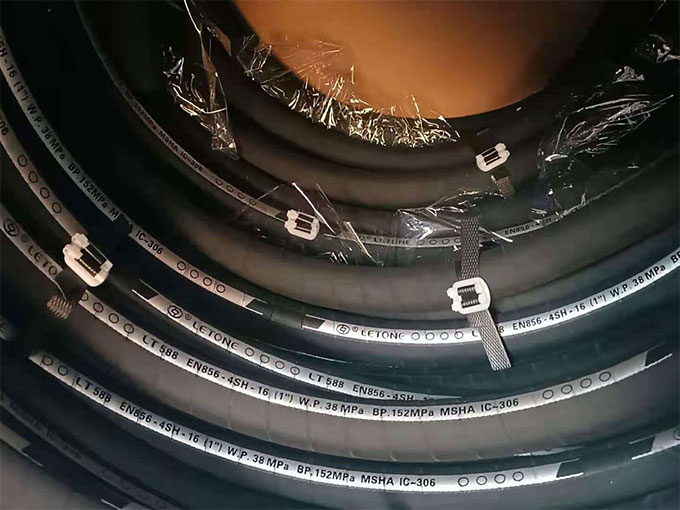
The National Development and Reform Commission (NDRC) recently officially announced the approval of a cluster of major projects with a total investment exceedin
More →Fill your requirements here, and we'll send the custmized solution and quotation to you by the reserved contact information.

Focusing on the field of fluid technology, Letone Technology prioritizes "low bending, high pressure, long life, and multi-functionality" in its product innovation and iteration.
Chat Online