The new energy heavy truck market in 2026 is undergoing a qualitative change from "can it be used" to "is it easy to use". The blockbuster policies of 11 ministries and commissions on June 12 are catalysts, but what really drives the market are four irreversible trends.
Trend 1: From short-distance to short-distance to trunk line full scene coverage
In the past, when talking about electric heavy-duty trucks, everyone's first reaction was that they "can't run far" - they can only be used in closed short-term driving scenarios such as ports, mining areas, and steel plants. In 2026, this ceiling is being broken.
Megawatt-level liquid cooling overcharging technology is rapidly coming to fruition. It can travel 100 kilometers in 5 minutes of charging and has a range of 400 kilometers in 15 minutes. The energy replenishment speed has changed from "recharging once in half a day" to "about the same as refueling". At the same time, the bottom battery swap 2.0 technology is also becoming popular, and the battery swap for heavy trucks can complete the entire energy replenishment process in 3-5 minutes.
High-capacity batteries (500-800kWh) become standard. Coupled with the fact that solid-state batteries are expected to be onboard after 2028, the battery life anxiety of electric heavy trucks is becoming a thing of the past. The industry is shifting from a single charging or battery swapping mode to a trunk energy replenishment network with a two-line breakthrough of "overcharging + battery swapping".
Zhejiang's Yongjin Expressway has built China's first market-oriented zero-carbon heavy-duty truck corridor, with 10 battery swapping stations along the line serving tens of thousands of heavy-duty trucks on average every day. 11 ministries and commissions have proposed the construction of 30,000 kilometers of zero-carbon corridors and 3,000 charging and swapping stations, and the electrification of trunk logistics has officially entered the stage.
Trend 2: From oil to electricity to forward research and development of smart terminals
The electric heavy-duty trucks of the past few years were essentially "oil-to-electricity" - the diesel engine was replaced by an electric motor, and the chassis basically followed the design of a fuel vehicle. This phase is ending.
Forward research and development platforms such as integrated electric drive axles and skateboard chassis have become mainstream, and vehicle energy consumption has been reduced by 10%-15%. More importantly, electrification and intelligence are being deeply integrated. In closed scenarios such as mining areas and ports, L4 autonomous driving has been applied on a large scale. L3+ platoon driving in trunk logistics is also being gradually piloted.
The in-depth application of big data in the Internet of Vehicles has allowed heavy trucks to evolve from simple transportation tools to "smart mobile terminals" with fault warning and intelligent dispatching capabilities. Drivers can see the vehicle's health status, charging plan and route suggestions through their mobile phones - this is no longer a "truck", but more like a smart device running on the road.
Trend 3: From policy subsidies to TCO-driven economic substitution
This is the core trend. In the past few years, the purchase of electric heavy trucks was mainly driven by subsidies, but now the situation has changed.
The five-year TCO of electric heavy trucks has completely surpassed that of diesel vehicles. The average annual energy consumption cost is 150,000-250,000 yuan lower than that of diesel vehicles, and the TCO advantage is irreversible in a five-year cycle. In closed scenes such as ports and mines, the penetration rate of electric heavy trucks has exceeded 50%. CATL estimates that new energy heavy trucks can save about 1.2 million yuan in a 10-year operation cycle.
The market driving force is shifting from "policy push" to "economic rigid demand". Sales of new energy heavy trucks in 2025 have exceeded 230,000 units, a year-on-year surge of 182%. The industry expects that 2027-2028 will usher in a large-scale inflection point when new energy sales surpass diesel heavy trucks.
Trend 4: From single-point competition to the ecological expansion of the entire industry chain to overseas markets
The competition of electric heavy trucks is no longer a competition of single vehicle products, but has been upgraded to an ecological game of the entire industry chain of "complete vehicles + core components + infrastructure + operational services".
Going overseas has become the second growth curve. China National Heavy Duty Truck's overseas heavy truck orders increased by 52% year-on-year in the first half of the year. FAW Jiefang delivered a large order of 1,000 vehicles to Indonesia, and Beiqi Foton's Thailand factory radiated to Southeast Asia. China's electric heavy trucks are shifting from pure vehicle exports to an integrated solution of "wind and solar power generation + energy storage + charging + vehicles" going global.
According to Zhiyan Consulting data, China's electric heavy truck sales will reach 224,800 units in 2025, with a penetration rate of 20.5%. It is expected to reach 300,000 vehicles in 2026, with a penetration rate of 27.9%, and will exceed 50% in 2030. Xugong Group leads the list with a share of 15.4%, followed by Sany Group with 14.4% and FAW Jiefang with 13.1%.
The four trends point in the same direction: new energy heavy trucks are no longer "alternatives" but "solutions".
From technology to cost, from domestic to overseas, China's new energy heavy trucks are following the same path that passenger cars have taken before - policies start the market, the market drives innovation, and innovation feeds back into cost reduction. In this battle to electrify heavy trucks, Chinese companies are at the forefront of the world.
For logistics companies and cardholders, what they need to do now is not "whether to choose", but "how to choose the most suitable one".
(The article comes from Zhiyan Consulting's "China Electric Heavy Truck Industry Market Panoramic Survey and Investment Opportunities Research and Judgment Report", CATL Annual Report, First Commercial Vehicle Network, China National Heavy Duty Truck Announcement, and Hefei New Energy Commercial Vehicle Exhibition)

High-pressure rubber hoses are used in engineering machinery, mining equipment, and oil drilling to transport high-pressure media. Their internal structure is f
More →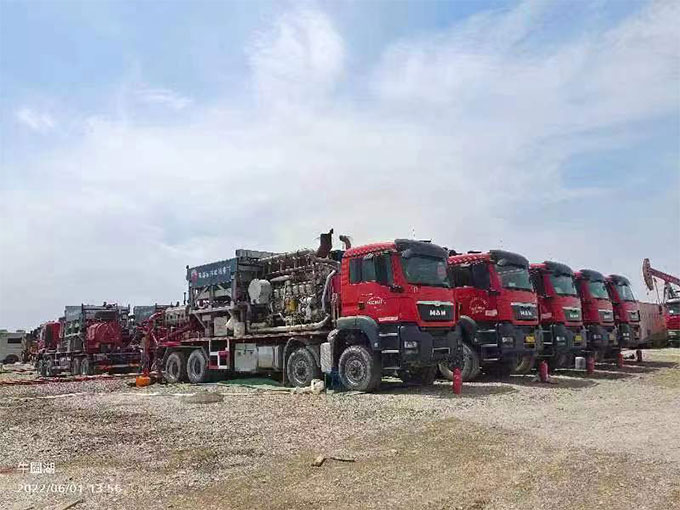
Selecting a high-pressure rubber hose is not just about "looking at the diameter and comparing prices." For the same diameter, hoses with different pressure rat
More →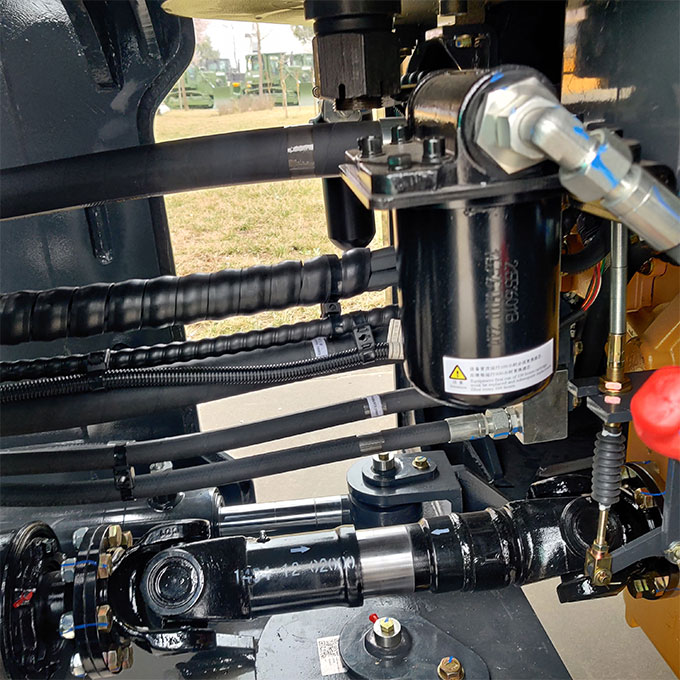
Even the best high-pressure rubber hoses can have significantly reduced lifespans without proper inspection and management. Statistics show that a considerable
More →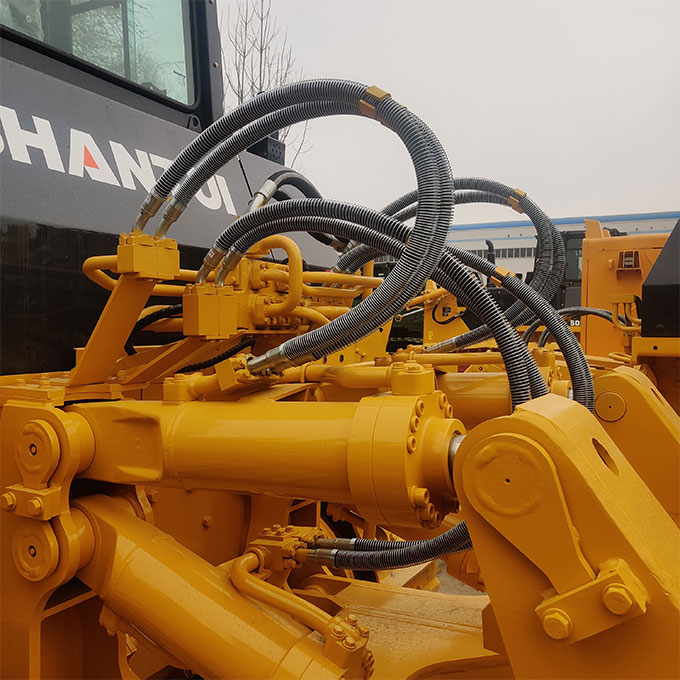
The installation quality of high-pressure rubber hose assemblies directly affects their service life. Even with the right hose, incorrect installation can ruin
More →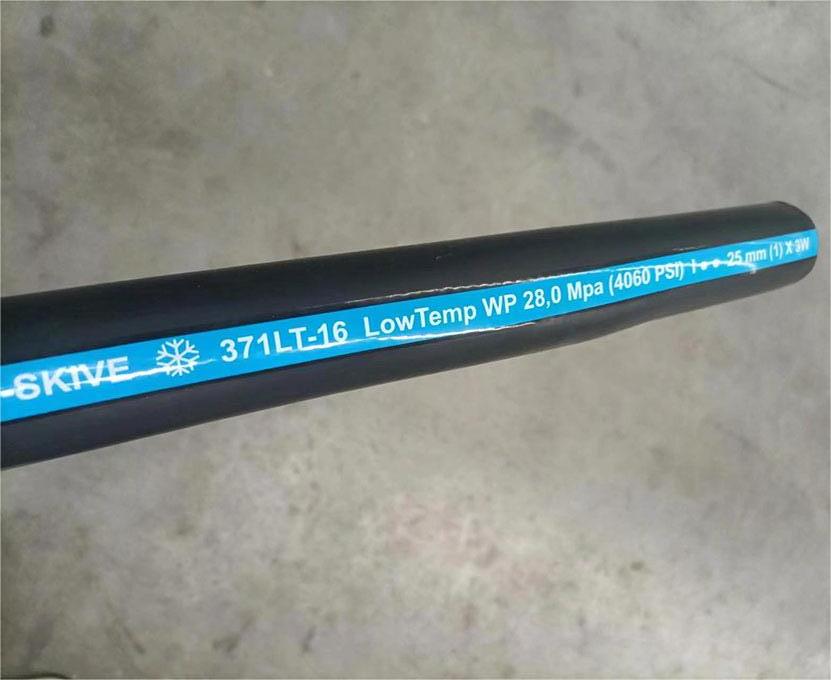
The failure modes of high-pressure rubber hoses under extreme working conditions are diverse, but in the final analysis they can be classified into several cate
More →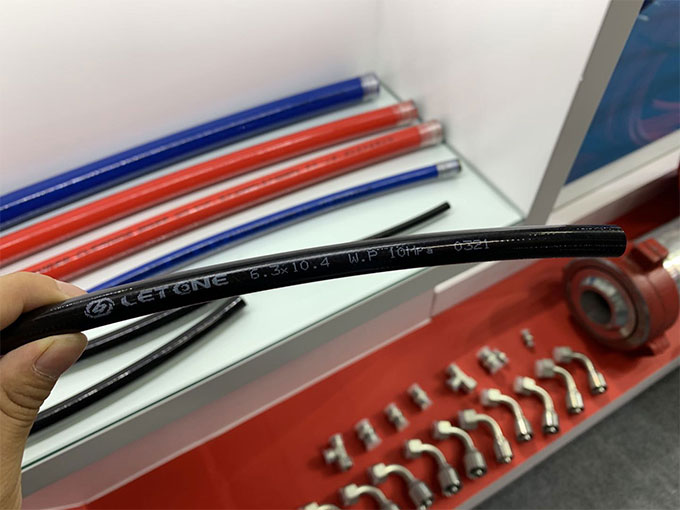
There's an easily overlooked rule in selecting high-pressure rubber hoses: the larger the diameter, the lower the pressure-bearing capacity. Hoses of the sa
More →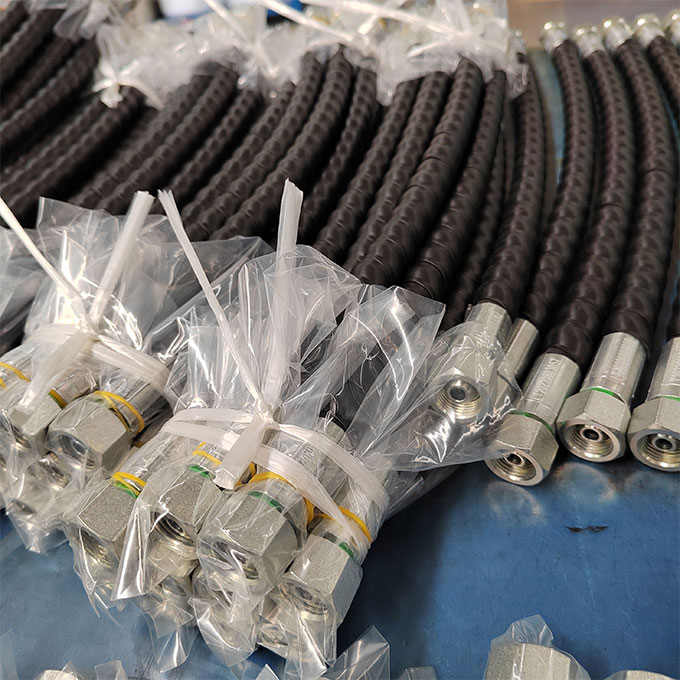
A significant portion of high-pressure rubber hose assembly failures originate not in the hose itself, but at the connector joints. Incorrect connector selectio
More →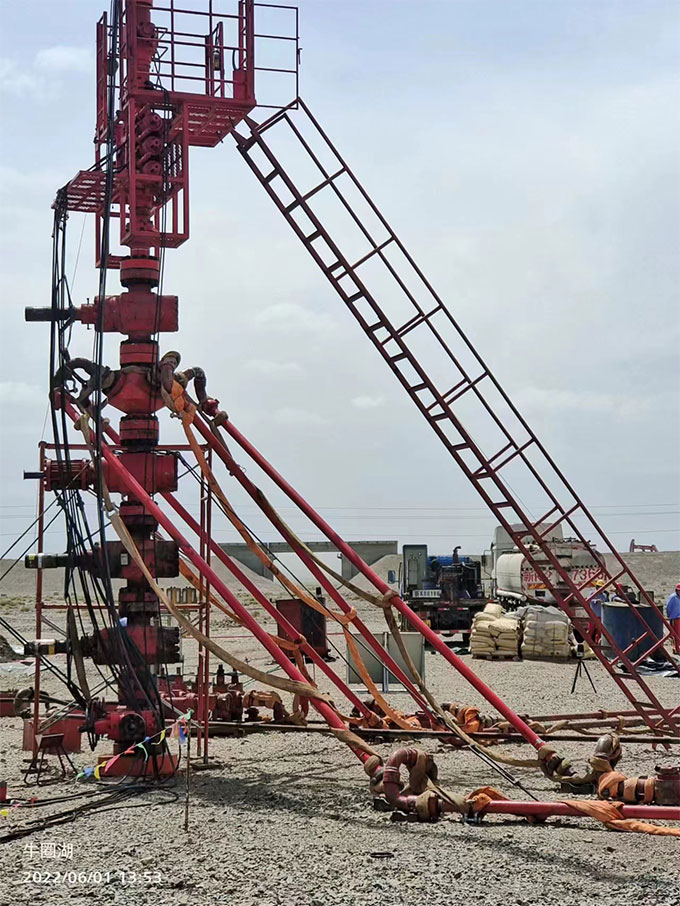
High-pressure rubber hoses transport various media, including hydraulic oil, water, air, and emulsions. Different media have completely different requirements f
More →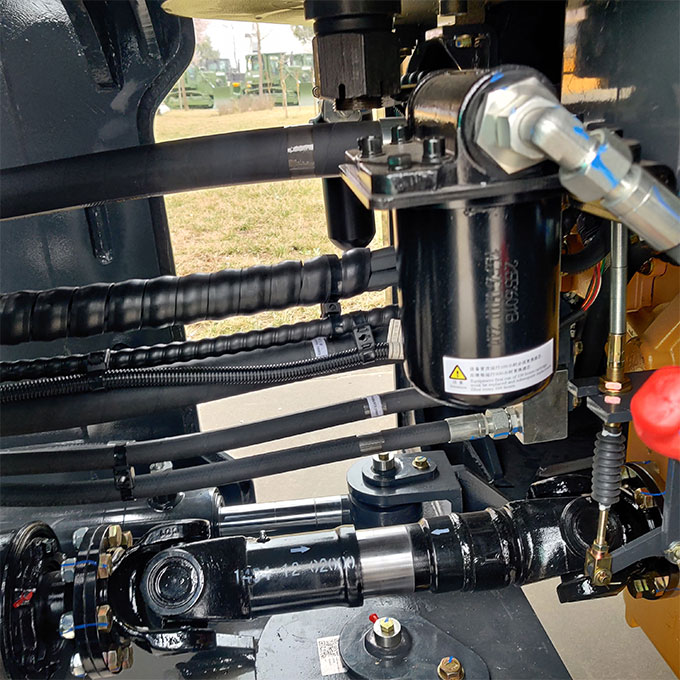
High-pressure rubber hoses withstand pressures of tens of megapascals; failure can lead to serious safety accidents. Establishing safe usage guidelines and emer
More →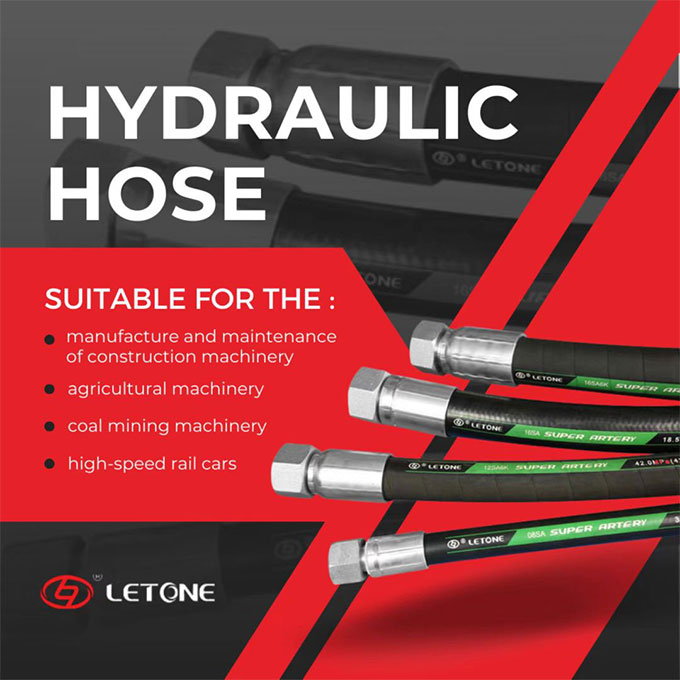
The production and inspection of high-pressure rubber hoses follow a strict technical standard system. Understanding the applicable scope and technical requirem
More →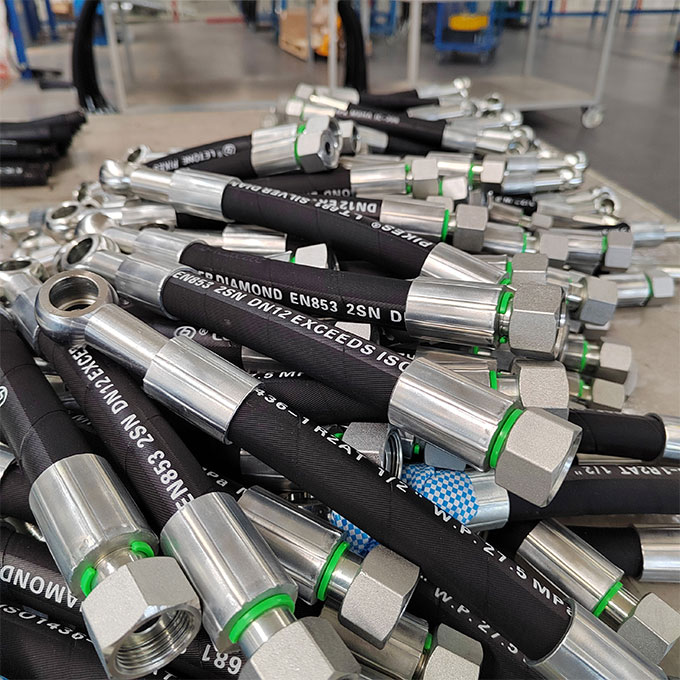
Steel wire rubber hoses are consumables. Even if they appear intact, the rubber material will gradually age over time and under certain usage conditions, result
More →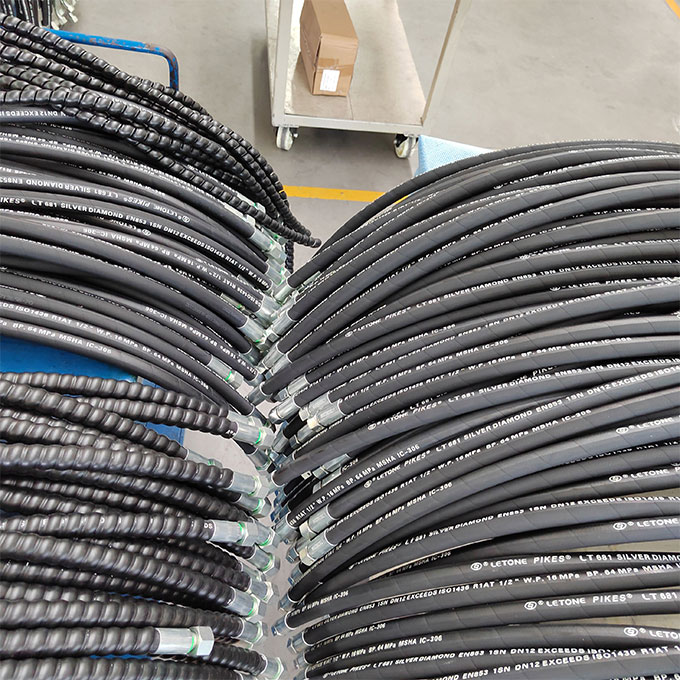
Wear-resistant rubber-steel wire industrial hoses offer unique application value in high-wear, high-pressure conveying scenarios. I. Wear Resistance Advantages
More →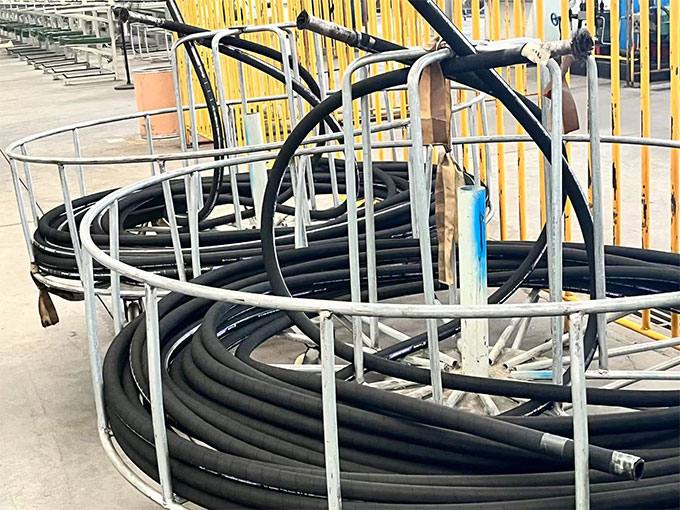
The installation quality of steel wire rubber hoses directly affects their service life and safety performance. Improper installation is a major cause of premat
More →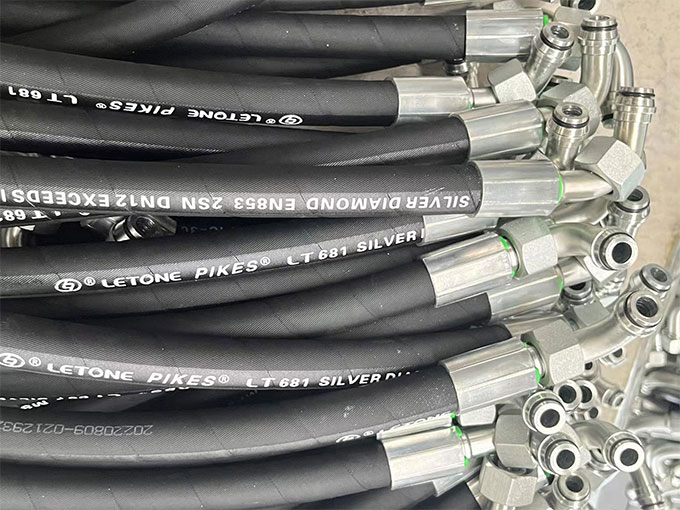
Steel wire rubber hose technology is developing towards higher pressure, longer lifespan, and greater intelligence. I. Technological Development Trends The s
More →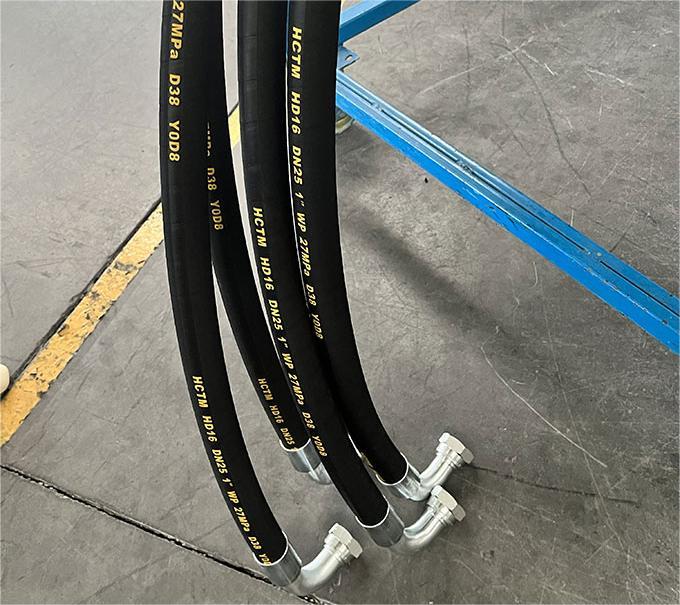
The selection of steel wire rubber hoses involves multiple technical parameters. This article compiles selection reference data according to structural type.
More →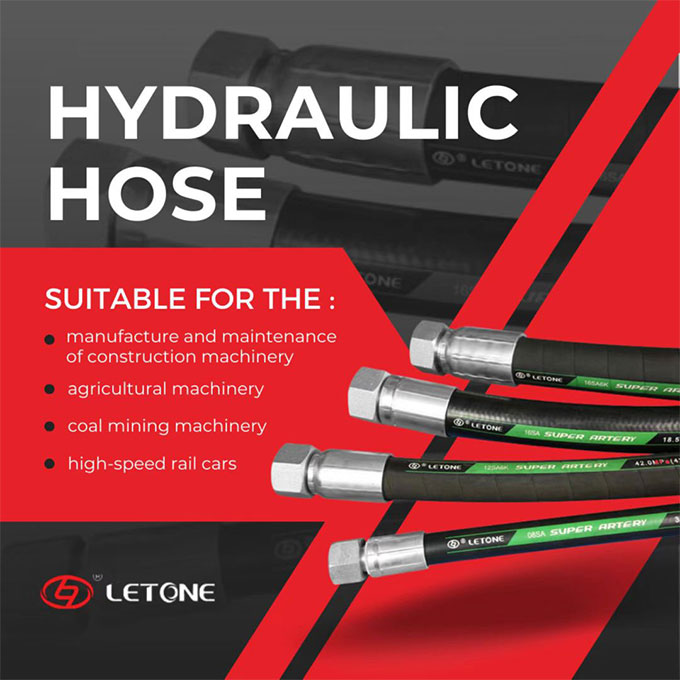
The production and quality inspection of steel wire rubber hoses follow a strict technical standard system. Understanding the applicable scope and technical req
More →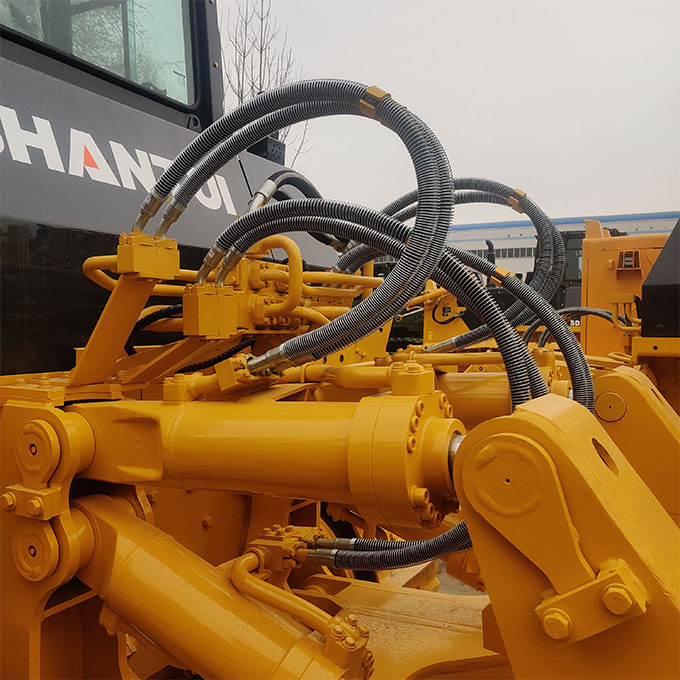
Construction machinery is the field with the most widespread application and most complex operating conditions for steel wire braided hoses. From the boom cylin
More →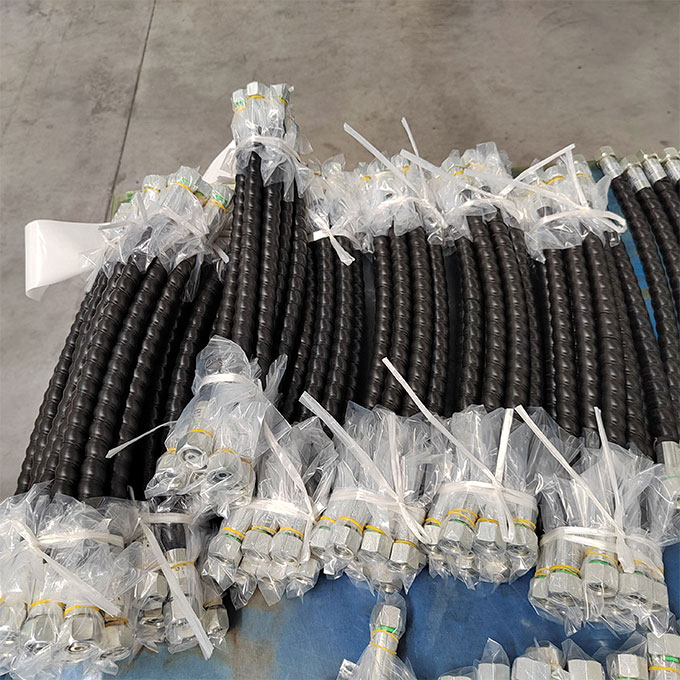
Steel wire rubber pipes are used under high-pressure conditions. Improper operation or improper maintenance may cause bursts, leaks and even safety accidents. A
More →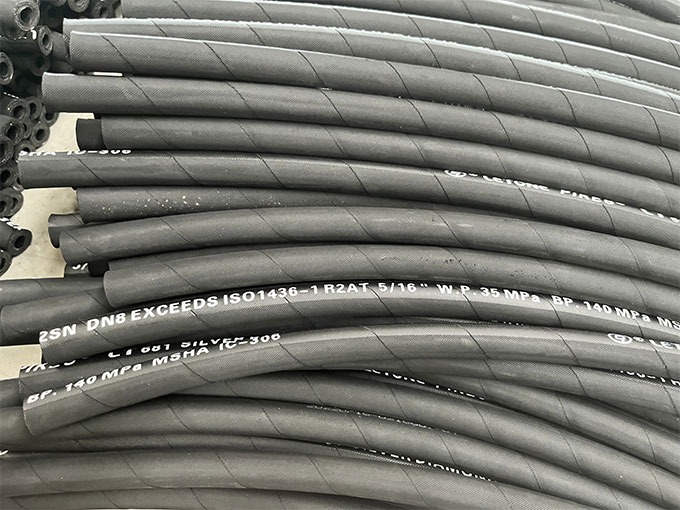
Steel wire rubber hoses are key components in industrial hydraulic systems and fluid transportation. Their core characteristic lies in the use of braided or wou
More →
The new energy heavy truck market in 2026 is undergoing a qualitative change from "can it be used" to "is it easy to use". The blockbuster policies of 11 min
More →
International Construction magazine, a subsidiary of the British KHL Group, a construction machinery information provider, released the 2026 Yellow Table &mdash
More →
Recently, the State Council issued the "15th Five-Year Plan for Accelerating the Modernization of Agriculture and Rural Areas" (hereinafter referred to as the "
More →
Recently, the journal *Qiushi* published an important article, "Promoting High-Quality Development of the Marine Economy," outlining the core path for my countr
More →
The National Development and Reform Commission (NDRC) recently officially announced the approval of a cluster of major projects with a total investment exceedin
More →Fill your requirements here, and we'll send the custmized solution and quotation to you by the reserved contact information.

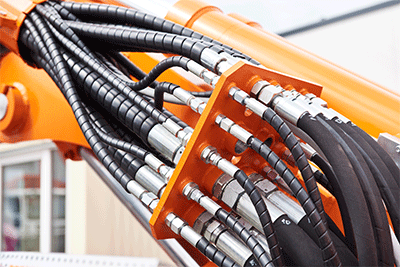
Focusing on the field of fluid technology, Letone Technology prioritizes "low bending, high pressure, long life, and multi-functionality" in its product innovation and iteration.
Chat Online